
MULTIPLE AWARD WINNING
2000+ HAPPY CUSTOMERS
A natural, non-surgical approach to thinning hair — explained clearly and honestly
Hair thinning and hair loss can affect confidence in ways that are often underestimated. Whether it appears gradually or more suddenly, changes in hair density can feel frustrating and difficult to manage. For those looking for a non-surgical, biologically driven option, PRP hair treatment has become an increasingly popular choice.
PRP stands for platelet rich plasma. A PRP hair treatment uses a concentrated component of your own blood, rich in platelets and growth factors, to support the health and function of hair follicles. Because PRP is derived from your own blood, it is considered a natural treatment approach rather than a synthetic or pharmaceutical solution.
PRP does not create new follicles. Instead, it works by supporting existing follicles that may be underperforming or becoming dormant — making it most effective for early to moderate thinning where follicles are still present and active.
Interest in PRP for hair loss has grown as more people look for treatments that work with the body rather than against it. PRP works at a deeper level than topical products, targeting the biological environment around the hair follicle. It is also non-surgical — no implants, no incisions, no lengthy recovery.
The science behind platelet rich plasma — without the jargon
Hair follicles rely on a healthy supply of oxygen, nutrients, and cellular signals to function effectively. Over time, genetics, hormonal changes, stress, and reduced circulation can weaken follicles — leading to thinner hair and slower regrowth. PRP works by delivering growth factors directly to where hair follicles need support.
A small blood sample is taken from your arm — similar to a routine blood test. The process takes just a few minutes.
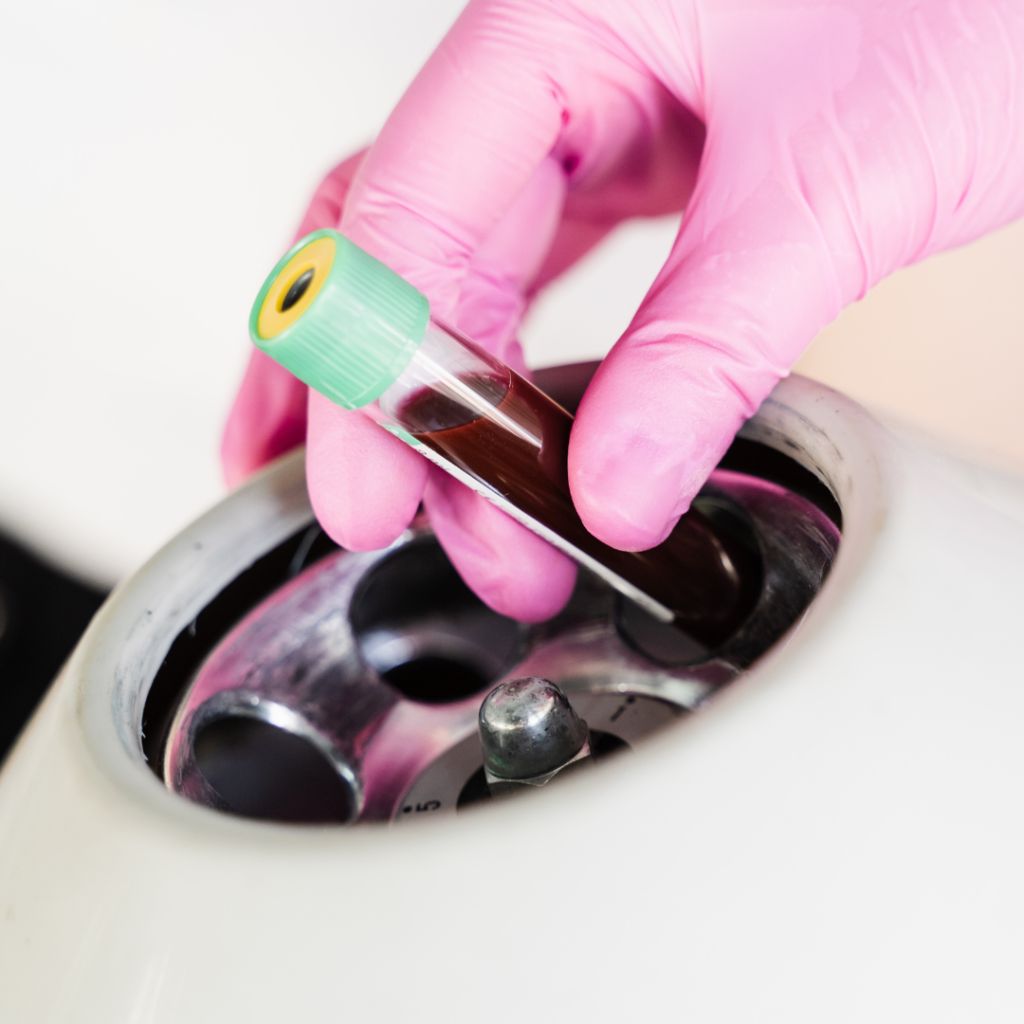
The sample is placed in a centrifuge which spins to separate the platelet rich plasma — the component containing concentrated growth factors.
The PRP is carefully introduced into targeted areas of the scalp where thinning or hair loss has been identified, delivering growth factors directly to the follicles.
Minimal downtime. Most clients return to normal activities the same day. Simple aftercare guidelines support the scalp during the response phase.
At Alex James SMP, Dawn's Advanced PRP protocol goes further than standard PRP injections — combining five treatments per session: PRP extraction and processing, a pharmaceutical hair growth serum, advanced 36-needle microneedling, biotin injection, and red light therapy. This multi-step approach consistently delivers stronger results than single-method treatments.
Honest suitability guidance — we'll tell you if it's not the right option
PRP is most effective when follicles are still present but underperforming. This makes it particularly suitable for early to moderate thinning. A thorough consultation is always the starting point — Dawn uses specialised scalp analysis equipment to determine whether thinning is treatable with PRP or whether a different approach (such as SMP) would deliver better results.
A responsible clinic will always advise against PRP if it is unlikely to provide meaningful benefit. If SMP would better address your hair loss pattern, that's what will be recommended — even if it means less revenue for the clinic.
What to expect — and when — based on real clinical experience
PRP is not a quick fix. Hair growth is a slow biological process, and PRP works by supporting that process rather than forcing immediate change. Understanding the realistic timeline helps set appropriate expectations and ensures satisfaction is based on achievable outcomes.
Improved circulation and scalp condition begin. Some clients notice early reduction in shedding. Visible regrowth is not expected at this stage.
Noticeable reduction in shedding and early new growth beginning. Hair texture often improves. Friends may start noticing changes.
Stronger, thicker hair with significantly reduced hair fall. Most clients see meaningful improvements in density and overall hair quality.
Hair loss is often progressive. Maintenance sessions may be suggested to support long-term results — discussed openly so clients can decide without pressure.
100% of clients following Dawn's complete protocol and aftercare plan see improvement. Results vary in degree depending on follicle activity, age, and individual biology — but meaningful change is consistently achievable for suitable candidates.
What to expect before, during, and after treatment
Because PRP uses components from your own blood, it is generally considered a low-risk treatment. There are no synthetic additives or foreign substances introduced into the body, which minimises the risk of allergic reaction. When performed correctly in a suitable clinical environment, PRP has a strong safety profile.
Common temporary side effects include mild scalp redness, tenderness or sensitivity in treated areas, and a feeling of tightness shortly after treatment. These typically settle within a few hours and do not interfere with daily activities.
Aftercare is straightforward: avoid washing the scalp for a short period, refrain from strenuous exercise for 48 hours, and avoid excessive heat. Clear aftercare guidance is provided after every session, and Dawn remains available for ongoing support throughout the treatment journey.
Where PRP fits — and where it doesn't
Topical products work at the surface. PRP delivers growth factors directly to the follicle — a more targeted approach, especially when topical products have not delivered results.
Supplements work systemically through digestion. PRP works locally, targeting the scalp environment directly where it's needed rather than relying on whole-body pathways.
Surgery relocates follicles and is more invasive with longer recovery. PRP is often explored earlier in the hair loss journey or as a maintenance option for existing hair.
PRP also pairs well with SMP. For clients with dark hair and a pale scalp, PRP can strengthen existing hair whilst SMP adds the appearance of density in the meantime. Dawn and Alex assess each client individually and recommend the most appropriate combined approach.
Honest answers from practitioners who treat real clients
PRP hair treatment uses platelet rich plasma taken from your own blood to support hair regrowth and improve hair quality. The plasma contains growth factors that help stimulate and support existing hair follicles in areas affected by thinning or early hair loss.
Dawn recommends a minimum of 4 sessions spaced 4 weeks apart for the full protocol to be effective. This structured approach aligns with natural hair growth cycles and allows gradual, sustainable improvement rather than overstimulation.
Most clients describe mild discomfort rather than pain. Dawn's 36-needle microneedling technique creates thousands of micro-channels but is designed to be tolerable. The sensation is comparable to mild scalp sensitivity rather than sharp pain.
Early changes such as reduced shedding and improved scalp condition typically appear within the first couple of sessions. Visible improvements in density and thickness usually develop over 3–4 months as hair growth cycles respond to treatment.
At Alex James SMP, PRP sessions are priced at £250 per session, with a minimum course of 4 sessions recommended. This compares favourably with other North West clinics and includes Dawn's advanced multi-step protocol rather than basic injections.
Yes. PRP for hair loss in women has become increasingly popular, particularly for hormonal thinning, post-pregnancy loss, and diffuse thinning. Dawn specialises in female hair loss and provides detailed scalp analysis to confirm suitability before proceeding.
Dawn handles all PRP consultations. WhatsApp Alex to discuss your suitability — include some photos of your hair loss if you're comfortable doing so and he'll arrange a consultation with Dawn.
Learn About Our PRP Treatment