
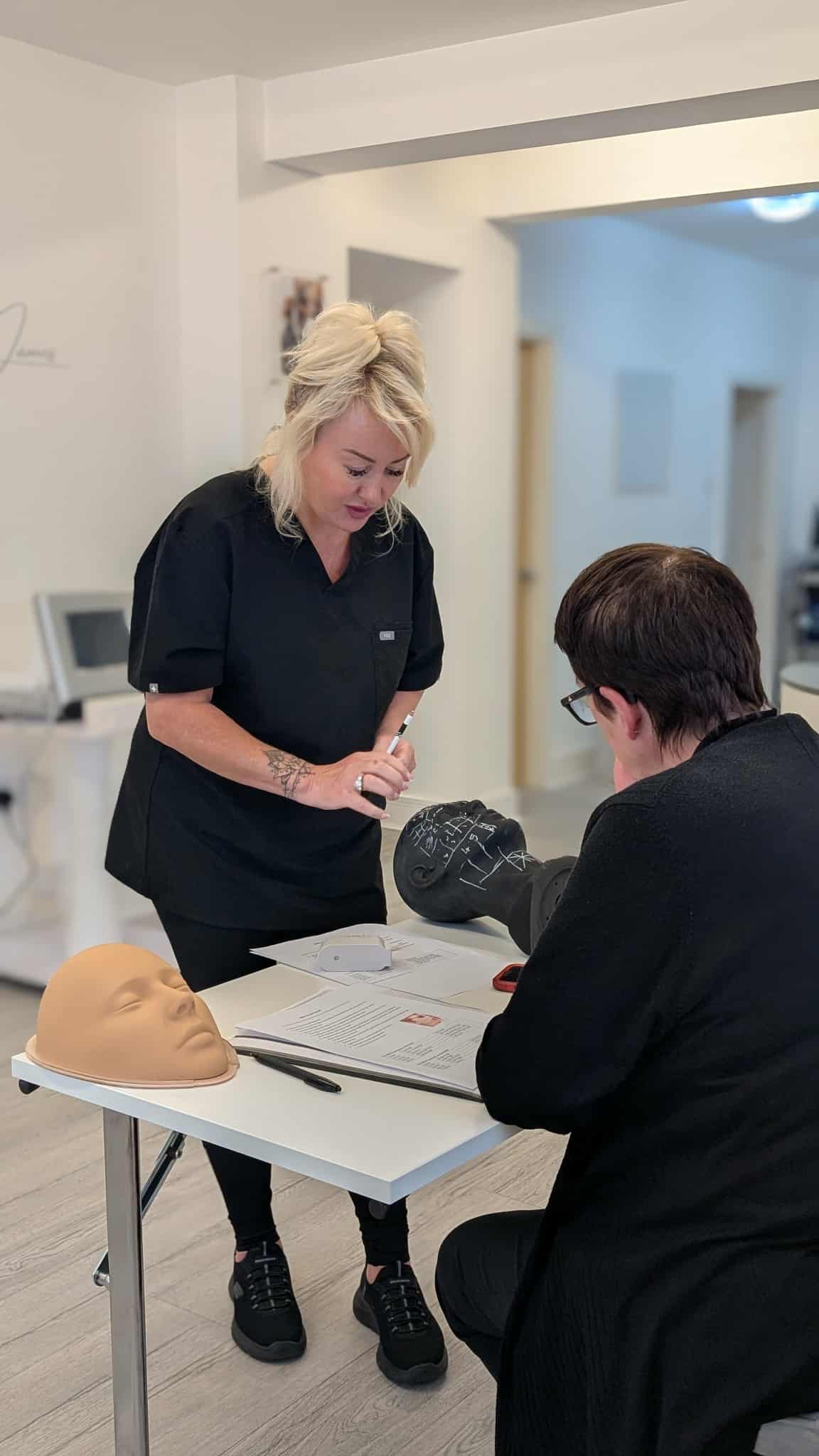
High Intensity Focused Ultrasound, more commonly known as HIFU, has become one of the most sought-after non-surgical skin tightening treatments within the aesthetics industry. As client demand continues to grow, so too does interest in professional HIFU training courses — particularly from practitioners looking to expand their treatment offerings safely and confidently.
Whether you’re already working within aesthetics or considering adding advanced skin tightening treatments to your clinic menu, choosing the right HIFU training course is a crucial step. HIFU is a powerful treatment when used correctly, but it requires a strong understanding of skin anatomy, machine operation and client suitability.
This article is designed to give you a clear, honest overview of HIFU training — what it involves, who it’s suitable for and what you should expect from a professional course — so you can make an informed decision before enrolling.
Search interest has increased dramatically, leaving many people asking the same questions: Does Ulike hair removal actually work? How does it compare to professional laser hair removal? And is at-home hair removal really a viable alternative to clinic treatments?
This article is designed to answer those questions clearly and honestly — without hype, fear-based messaging or sales pressure — so you can make an informed decision about which hair removal option suits you best.
HIFU treatments have gained widespread recognition for their ability to tighten and lift the skin without surgery, needles or downtime. As clients increasingly look for non-invasive alternatives to surgical procedures, clinics offering HIFU are seeing strong and consistent demand. For practitioners, this demand naturally leads to interest in HIFU treatment training. Adding HIFU to your service list can help diversify your clinic, attract new clients and provide advanced treatment options for existing ones. However, with popularity comes responsibility. HIFU devices deliver focused ultrasound energy into deeper layers of the skin, making correct technique and knowledge essential.
A professional HIFU training course is not simply about learning how to switch on a machine. Effective training should cover the science behind the treatment, how ultrasound energy interacts with tissue, and how to use the device safely across different areas of the face and body. Good HIFU training also focuses on treatment planning — understanding who is suitable, how to manage expectations and how to tailor treatments based on individual skin concerns. This foundation is what allows practitioners to deliver safe, consistent and ethical results rather than relying on guesswork or generic protocols.
A professional HIFU training course is not simply about learning how to switch on a machine. Effective training should cover the science behind the treatment, how ultrasound energy interacts with tissue, and how to use the device safely across different areas of the face and body. Good HIFU training also focuses on treatment planning — understanding who is suitable, how to manage expectations and how to tailor treatments based on individual skin concerns. This foundation is what allows practitioners to deliver safe, consistent and ethical results rather than relying on guesswork or generic protocols.
Unlike superficial skin treatments, HIFU targets deeper structural layers of the skin. This makes it highly effective when performed correctly, but also means there is less margin for error.
A quality HIFU training course recognises this and prioritises:
Skin and facial anatomy
Safety protocols and contraindications
Correct energy delivery and spacing
Treatment planning and aftercare
This advanced knowledge separates trained practitioners from those relying solely on device instructions.
Interest in HIFU training comes from a wide range of professionals. Many are already working in aesthetics and want to expand into skin tightening treatments. Others are clinic owners looking to bring advanced services in-house rather than outsourcing. Some practitioners explore HIFU training online initially, while others prefer hands-on, in-clinic learning. Understanding your own learning style and experience level helps determine which training route is most appropriate.
Not all HIFU training courses are created equal. Differences in course structure, trainer experience and practical exposure can significantly impact how confident you feel after completing training. Choosing a reputable course helps ensure you leave with more than just a certificate — you gain the competence to treat real clients safely and effectively. This is especially important in a growing industry where client awareness and expectations continue to rise.
Before enrolling in a HIFU training course, it’s important to understand that mastering the treatment takes time and practice. Training provides the foundation, but confidence develops through continued application and support. Courses that offer ongoing guidance, refresher options or post-training support often provide greater long-term value than one-off sessions with no follow-up.
Before enrolling on a HIFU training course, it’s important to understand what HIFU treatment actually involves and why it’s considered an advanced aesthetic procedure. This understanding forms the foundation for safe practice, effective results and confident client communication.
HIFU stands for High Intensity Focused Ultrasound. It uses concentrated ultrasound energy to target specific depths beneath the skin, creating controlled thermal points that stimulate the body’s natural collagen response.
Unlike surface-level treatments, HIFU works below the epidermis, which is why correct training is essential.
Many skin tightening treatments focus on the surface layers of the skin, aiming to improve texture or hydration. HIFU works differently by targeting deeper structural layers responsible for firmness and support. During treatment, ultrasound energy is delivered to precise depths, allowing practitioners to treat areas that topical or superficial treatments cannot reach. This deeper targeting is what gives HIFU its lifting and tightening potential — but also what makes training so important.
A quality HIFU treatment training course ensures practitioners understand these differences rather than treating HIFU as interchangeable with other devices.
One of the defining features of HIFU is its ability to target different tissue depths using interchangeable cartridges. Each depth serves a different purpose, and incorrect use can affect both results and safety.
This is where HIFU machine training becomes essential. Practitioners must understand; Which depths are suitable for different areas, How to map treatment zones correctly, How to avoid overlapping or excessive energy delivery, Why depth selection impacts comfort and outcomes.
Without this knowledge, even a technically functioning device can be misused.
HIFU works by creating controlled thermal points beneath the skin. These points trigger a natural healing response, encouraging the production of new collagen and elastin over time. This process does not create instant tightening. Instead, results develop gradually as the skin rebuilds and strengthens its support structure. This is why managing client expectations is a key part of professional HIFU training. Understanding the biological response allows practitioners to explain timelines honestly and confidently.
HIFU works by creating controlled thermal points beneath the skin. These points trigger a natural healing response, encouraging the production of new collagen and elastin over time. This process does not create instant tightening. Instead, results develop gradually as the skin rebuilds and strengthens its support structure. This is why managing client expectations is a key part of professional HIFU training. Understanding the biological response allows practitioners to explain timelines honestly and confidently.
Because HIFU delivers energy to deeper tissue layers, safety is a central focus of training. Incorrect technique, poor mapping or lack of anatomical understanding can increase the risk of discomfort or unwanted outcomes.
Professional HIFU training emphasises: Skin and facial anatomy, Safe energy spacing, Avoiding sensitive structures, Understanding contraindications. This knowledge protects both the practitioner and the client.
Some practitioners explore HIFU training online to build foundational knowledge. While online learning can be useful for theory, it does not always replace hands-on experience with real machines and real treatment scenarios. Understanding how ultrasound energy feels during treatment, how skin responds and how to adapt technique requires practical exposure. This is why many comprehensive training pathways combine theory with in-clinic learning. Recognising the limits of purely online training helps practitioners choose the right course structure for their needs.
Confidence in HIFU treatments comes from understanding the technology, not just following instructions. Practitioners who know why they are using certain settings are better equipped to adapt treatments safely and effectively. A strong technical foundation is what separates confident, capable practitioners from those who rely solely on protocols without understanding their purpose.
Learning how HIFU works prepares trainees for the practical aspects of training. Without this understanding, hands-on sessions can feel overwhelming or mechanical rather than educational. This is why a well-structured HIFU training course introduces technology and theory before moving into treatment application.
Not all HIFU training courses are structured in the same way, and understanding what should be included can help you choose a course that genuinely prepares you for treating real clients. A professional HIFU training course should go far beyond basic machine demonstrations and instead provide a well-rounded learning experience that balances theory, practical skill and ongoing support. This foundation is what allows practitioners to move from training into confident, safe clinical practice.
Any effective HIFU training course begins with a strong theoretical base. Understanding how ultrasound energy interacts with the skin, and how different layers respond to treatment, is essential for safe application. Training should cover:
Skin structure and facial anatomy
The science behind ultrasound technology
How collagen stimulation works
Indications and contraindications
This knowledge helps practitioners make informed decisions rather than relying on generic treatment settings.
HIFU machine training is a critical component of any professional course. Practitioners need to understand not just how to operate the device, but how to use it correctly across different treatment areas. Quality machine training includes:
Cartridge selection and depth control
Energy settings and spacing
Treatment mapping and planning
Understanding machine feedback and limitations
This level of detail ensures treatments are delivered consistently and safely.
Hands-on experience is where theory becomes skill. A professional HIFU treatment training course should include supervised practical sessions using real machines and, where appropriate, live models. Practical training allows practitioners to:
Understand treatment sensation and client comfort
Practice correct hand positioning and technique
Learn how to adapt treatments in real time
Build confidence before treating paying clients
Without hands-on practice, practitioners may struggle to translate theory into effective treatments.
Effective HIFU treatments begin with proper client assessment. Training should teach how to evaluate skin laxity, facial structure and client goals to determine whether HIFU is suitable. This includes:
Managing client expectations
Identifying when HIFU is appropriate
Understanding when to decline treatment
Creating realistic treatment plans
This aspect of training protects both the practitioner and the client.
HIFU results develop over time, and managing this process is part of professional practice. A strong HIFU training course teaches how to explain timelines clearly and provide appropriate aftercare advice. Practitioners who understand the results journey are better equipped to support clients and maintain trust throughout the treatment process.
While clinical skill is essential, many practitioners also value guidance on implementing HIFU into their existing business. Some courses provide insight into:
Treatment pricing considerations
Consent and documentation
Treatment positioning within a clinic
Supporting client retention
This practical guidance helps practitioners integrate HIFU smoothly rather than learning through trial and error.
One of the most overlooked aspects of a HIFU training course is post-training support. Ongoing access to guidance, refresher options or mentor support can make a significant difference once you begin treating clients independently. Courses that offer continued support often provide greater long-term value than those that end once certification is issued.
A longer course does not automatically mean better training. What matters most is structure — how theory, practical experience and support are combined. Whether training is delivered in person, blended or includes elements of HIFU training online, the focus should always be on competence rather than speed.
Ultimately, a professional HIFU training course should leave you feeling prepared, not uncertain. It should equip you with knowledge, hands-on experience and ongoing support so you can deliver treatments safely and confidently. Understanding what a course should include helps you choose training that aligns with professional standards rather than marketing promises.
Ultimately, a professional HIFU training course should leave you feeling prepared, not uncertain. It should equip you with knowledge, hands-on experience and ongoing support so you can deliver treatments safely and confidently. Understanding what a course should include helps you choose training that aligns with professional standards rather than marketing promises.
Many people enrolling on HIFU training already work within aesthetics and are looking to expand their treatment offering. For these practitioners, HIFU represents a natural progression into advanced skin tightening and lifting treatments.
Those with experience in treatments such as facials, skin rejuvenation or non-invasive aesthetics often find HIFU training complements their existing skill set. Understanding skin behaviour, client consultation and aftercare already places them at an advantage.
A well-structured HIFU training course builds on this foundation rather than assuming prior knowledge.
HIFU training is not typically designed for complete beginners with no understanding of skin or aesthetics. Because the treatment targets deeper tissue layers, a baseline level of anatomical knowledge and clinical awareness is important. However, beginners who are committed to learning and who complete appropriate prerequisite education may still be suitable candidates. Some training pathways combine foundational learning with advanced treatment training to support safe progression. This is where blended learning or HIFU training online elements can help prepare beginners before hands-on practice.
Before undertaking HIFU training, practitioners should be comfortable with skin structure and basic anatomy, client consultation and consent, understanding contraindications, managing expectations and aftercare. Training courses that acknowledge these requirements help ensure HIFU is taught responsibly rather than rushed.
Clinic owners often seek HIFU training to bring advanced treatments in-house rather than outsourcing. In these cases, training is not just about performing the treatment, but about understanding how to integrate HIFU into an existing clinic workflow. This includes treatment planning, staff training considerations and ensuring treatments align with the clinic’s standards of care. A comprehensive HIFU training course supports this broader perspective.
Different practitioners learn in different ways. Some benefit from hands-on, in-person training, while others prefer to build confidence through theory-based learning first. Courses that include elements of HIFU training online alongside practical sessions allow trainees to absorb information at their own pace while still gaining real-world experience. Choosing a format that matches your learning style can make a significant difference to how confident you feel after training.
Different practitioners learn in different ways. Some benefit from hands-on, in-person training, while others prefer to build confidence through theory-based learning first. Courses that include elements of HIFU training online alongside practical sessions allow trainees to absorb information at their own pace while still gaining real-world experience. Choosing a format that matches your learning style can make a significant difference to how confident you feel after training.
For many practitioners, HIFU training is not a one-off decision but part of a longer professional journey. It often sits alongside other advanced treatments and contributes to clinic growth and client retention. Viewing HIFU training as an investment in long-term development rather than a quick add-on helps align expectations with outcomes.
The right time to undertake HIFU training varies from person to person. Confidence, knowledge and commitment all play a role. Training should feel like a step forward rather than a leap into the unknown. When chosen thoughtfully, a HIFU training course can provide the skills and confidence needed to deliver advanced treatments safely and professionally.
For further information on our HIFU training course, please click below and register your interest today.
As demand for HIFU training has increased, so too has the range of training formats available. Many practitioners now explore HIFU training online as a starting point, while others prefer hands-on, in-clinic learning from the outset. Understanding the strengths and limitations of each option helps you choose a route that genuinely prepares you for safe practice. Rather than viewing online and in-clinic training as opposing options, it’s often more helpful to consider how they can complement one another.
Online HIFU training is typically focused on theory-based learning. This may include modules covering skin anatomy, the science behind ultrasound technology, contraindications and treatment principles. For many trainees, online learning provides flexibility. Being able to revisit material, study at your own pace and build foundational knowledge before practical training can be extremely valuable — particularly for those balancing training with existing work commitments.
Online learning can also be useful for refreshing knowledge after training or preparing in advance of hands-on sessions.
While online learning has clear benefits, HIFU is not a treatment that can be mastered through theory alone. Practical skill, machine handling and treatment mapping require real-world experience.
Without in-clinic exposure, trainees may struggle to:
Understand treatment sensation and client comfort
Learn correct hand positioning and spacing
Adapt technique in real time
Build confidence with live treatments
This is why online-only HIFU training is rarely sufficient on its own for practitioners intending to treat clients independently.
In-clinic HIFU training allows trainees to work directly with the machine under supervision. This hands-on experience bridges the gap between understanding the theory and applying it safely in practice. In a clinic environment, trainees can observe real treatments, ask questions in real time and receive immediate feedback. This practical exposure is essential for building confidence and competence. A strong HIFU training course ensures trainees leave knowing not just what to do, but why they are doing it.
Many high-quality training programmes now offer a blended approach, combining online theory with in-clinic practical sessions. This allows trainees to arrive at hands-on training already familiar with key concepts, making practical learning more effective. Blended learning can be particularly helpful for beginners who need time to absorb anatomy and theory before moving into advanced treatments. This approach also supports long-term learning, as online resources can be revisited after training for reinforcement.
Some courses advertise accelerated formats such as 7D HIFU training, suggesting rapid progression through multiple depths or techniques. While intensive training can be effective when structured properly, speed should never replace understanding. Regardless of course length, what matters most is whether trainees leave with the knowledge, skill and support needed to treat clients safely. Quality training prioritises competence over speed.
The best training format depends on your background, learning style and confidence level. Experienced practitioners may benefit from shorter, focused practical training, while those newer to advanced treatments may need a more structured pathway. Understanding your own needs helps ensure training feels supportive rather than overwhelming.
Regardless of format, post-training support plays a key role in long-term success. Access to guidance, refresher sessions or ongoing mentorship helps practitioners refine technique and address questions as they arise in real practice. Training should be viewed as the beginning of skill development rather than the end.
Choosing between online, in-clinic or blended HIFU training is about more than convenience. It’s about selecting a pathway that prepares you for safe, confident practice and aligns with professional standards. Understanding the role each format plays helps ensure you invest in training that genuinely supports your development.
Completing a HIFU training course is an important milestone, but it is not the end of the learning process. Confidence with HIFU develops through a combination of structured training, real-world application and access to ongoing support. A strong training course recognises this and prepares practitioners not just to pass a course, but to treat real clients safely and responsibly.
Certification from a HIFU training course confirms that you have completed structured education and practical training. However, certification alone does not guarantee confidence or competence — these develop through experience and continued learning. Quality training programmes ensure certification reflects meaningful learning rather than simple attendance. This distinction matters when transitioning from training into live treatments. Practitioners who understand what their certification represents are better positioned to practise responsibly and ethically.
Confidence with HIFU is built through repetition and reflection, not through rushing training. Practitioners who feel supported during and after training are more likely to apply techniques correctly and manage client expectations effectively. Training that emphasises understanding rather than speed helps practitioners feel confident making decisions independently rather than relying rigidly on protocols. This confidence directly influences treatment outcomes and client trust.
One of the most valuable aspects of a professional HIFU training course is access to ongoing support. This may include refresher sessions, mentoring, follow-up guidance or opportunities to revisit practical elements.
Having access to support allows practitioners to; ask questions as real scenarios arise, refine technique over time, maintain confidence as treatments become more advanced, and stay aligned with best practice.
Ongoing support often provides greater long-term value than the initial training day itself.
Training in a real working clinic environment exposes practitioners to real-world treatment conditions. This includes managing client comfort, adapting treatments based on skin response and working within professional clinical standards. Learning in a clinic setting helps bridge the gap between training and practice, reducing uncertainty when treating paying clients for the first time. This environment also reinforces the importance of safety, professionalism and client care — key components of advanced aesthetic treatments like HIFU.
HIFU training is best viewed as an investment in long-term professional development rather than a short-term add-on. When chosen thoughtfully, a HIFU training course can support clinic growth, client retention and professional credibility. Taking the time to choose a course that aligns with your experience level and learning style helps ensure training delivers lasting value.
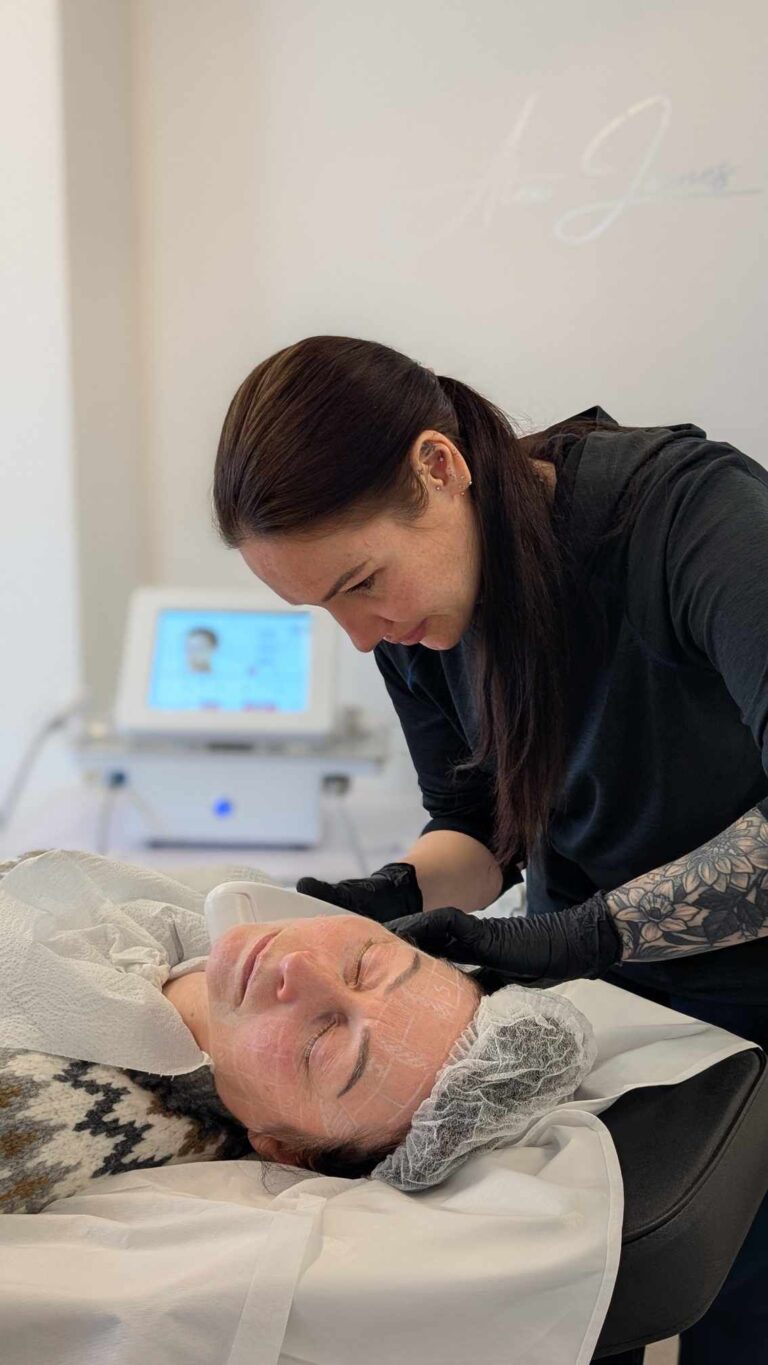
HIFU is a powerful and effective treatment when delivered with the right knowledge, skill and care. As demand for non-surgical skin tightening continues to grow, high-quality training becomes increasingly important.
A professional HIFU training course should provide:
Strong theoretical foundations
Hands-on practical experience
Clear guidance on safety and suitability
Ongoing support beyond certification
By understanding what to look for in training and choosing a course that prioritises competence over speed, practitioners can build confidence and deliver treatments safely and ethically.
Ultimately, the right training supports not just your skills, but your reputation as a practitioner — and that is where long-term success lies.
A HIFU training course teaches practitioners how to safely and effectively deliver High Intensity Focused Ultrasound treatments for skin tightening and lifting. Training typically covers theory, machine use, treatment planning and safety.
HIFU is considered an advanced treatment, so some prior knowledge of skin anatomy and aesthetics is recommended. However, beginners may be suitable if they complete prerequisite learning and choose a well-structured training pathway.
HIFU machine training covers how to operate the device safely, select appropriate cartridges, understand depth control, map treatment areas correctly and adjust settings based on skin type and treatment goals.
HIFU training online is often available for theory-based learning, such as anatomy and treatment principles. However, hands-on, in-clinic training is essential for learning correct technique and building confidence before treating clients.
Course length varies depending on structure and experience level. Some intensive formats, including 7D HIFU training, focus on multiple treatment depths, but quality training prioritises understanding and safety over speed.
Confidence develops through a combination of structured training, hands-on practice and ongoing support. Courses that offer practical experience and post-training guidance help practitioners transition more comfortably into live treatments.
Most professional HIFU treatment training courses include certification upon completion. Certification confirms training has been completed but should be supported by practical experience and continued learning.
Training in a real clinic environment allows practitioners to work with live models, understand client comfort, and adapt technique in real time. This experience is essential for safe, confident practice.