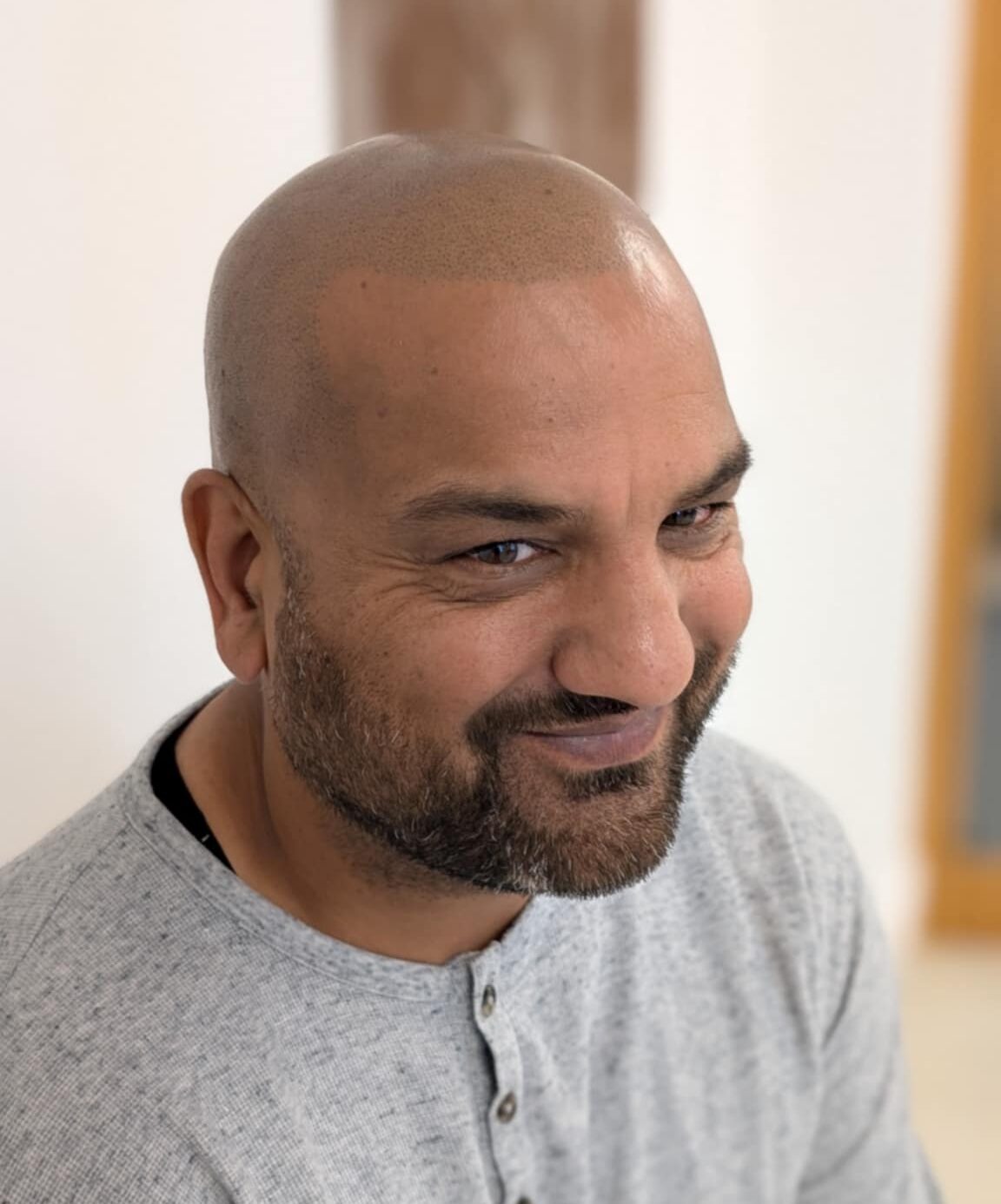
Alex James SMP

Does SMP Look Fake?

SMP treatment at Alex James Clinic Rossendale

It's the first question most people research before booking an SMP consultation. And it's a fair one — because badly executed SMP absolutely can look fake. The dots can be too large, too dark, too uniform, or placed in a hairline that doesn't suit the person's face or age.

But professionally executed SMP? Done by someone with the right training, the right pigments, and an understanding of natural hair patterns? It looks exactly like a closely shaved head of hair. The short answer is: it depends entirely on who does it.

This article covers what makes SMP look natural, what makes it look obviously artificial, and what to look for when choosing a practitioner.
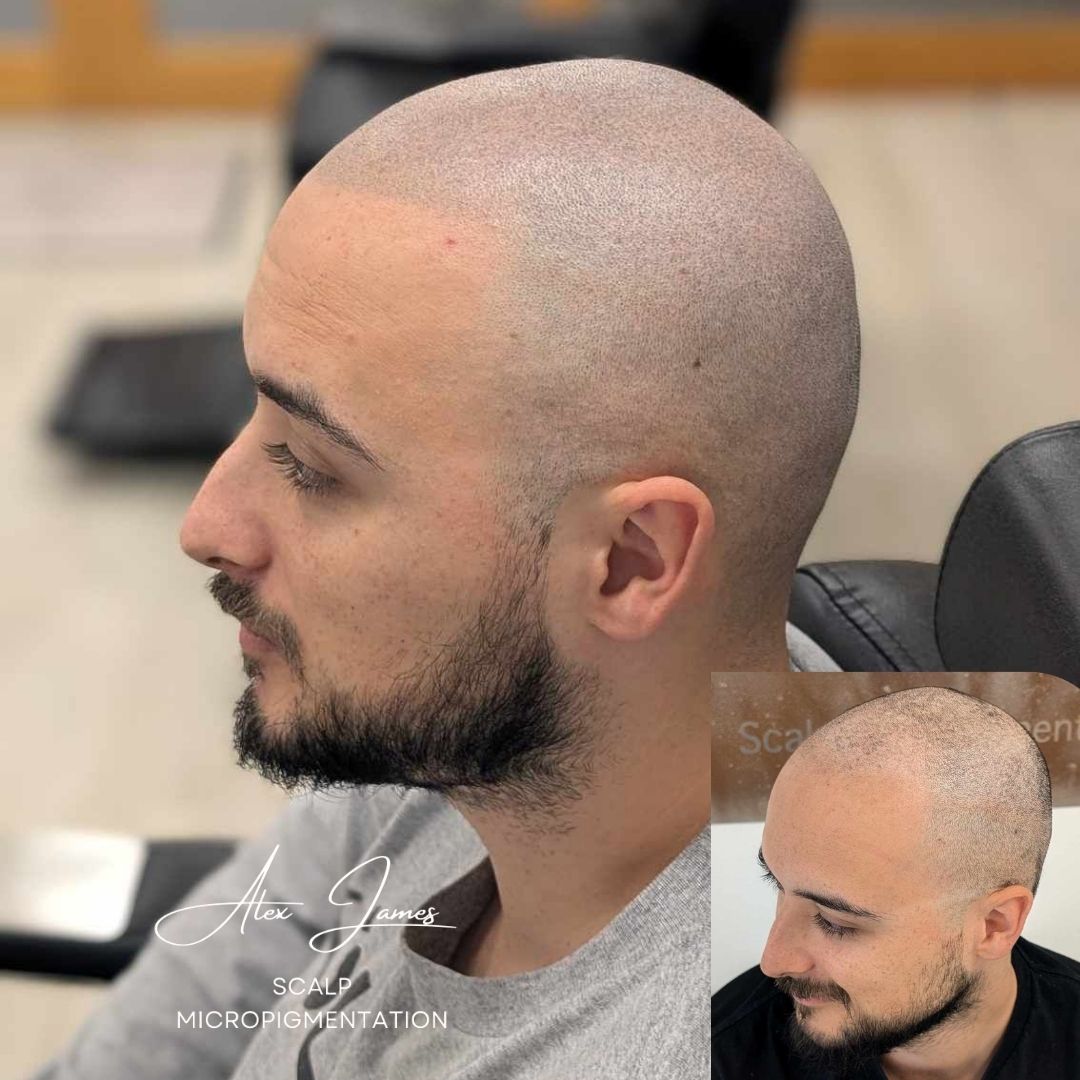
SMP before and after full head coverage natural results Manchester

When SMP Looks Completely Natural

The conditions that produce results nobody can tell aren't real

When SMP is done correctly, the results are indistinguishable from a naturally shaved head of hair — even in close-up, good lighting, or HD cameras. Here's what "done correctly" actually means in practice.

  • Pigment dots are the correct size — matching the diameter of natural follicles, not oversized marks
  • Dots are applied in an irregular, natural pattern — not uniformly spaced in a grid
  • Hairline design suits the person's face shape, age, and bone structure
  • Pigment colour is matched carefully to existing hair colour and skin tone
  • Density builds gradually across sessions — not applied too heavily in one go
  • The hairline has a soft, graduated edge rather than a hard, artificial line
  • The client maintains the right hair length (0.5–1mm) to complement the work
From Alex — on natural-looking results

I've had SMP myself, so I know exactly what it should look like from a client's perspective. The most important decision isn't the treatment itself — it's choosing a practitioner who prioritises restraint and realism over speed. Natural SMP looks natural because the artist knows when to stop, not just how to start.

Come and see mine during a free consultation. You'll see what properly executed, years-old SMP looks like in person — which is worth more than any before/after photo.
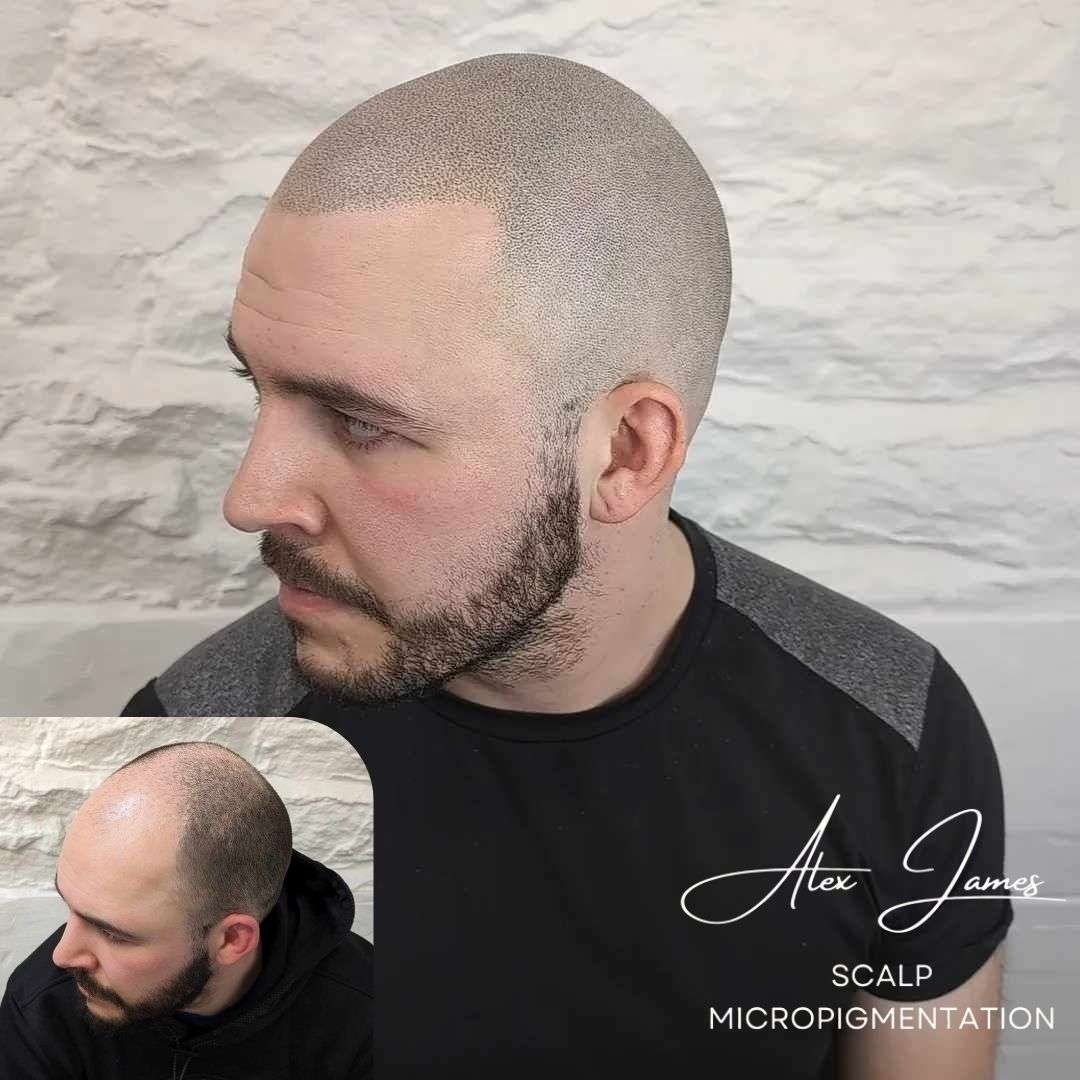
Natural looking SMP results before and after Manchester

When SMP Looks Fake — and Why It Happens

Understanding the mistakes that make SMP obvious

Poor SMP is unfortunately not rare. The most common reasons it looks artificial are entirely avoidable — they come down to inexperience, the wrong equipment, or cutting corners on process.

What makes SMP look fake

  • Dots that are too large — look like blobs rather than follicles
  • Pigment that's too dark for the skin tone
  • Perfectly uniform dot spacing — nothing in nature is that regular
  • An unnaturally sharp, straight hairline
  • Hairline placed too low or too aggressively for the client's age
  • Blue or green colour shift from wrong pigment type
  • Too much density applied too quickly

What makes SMP look natural

  • Fine dots sized to match real follicles precisely
  • Pigment shade carefully matched to hair and skin
  • Irregular, randomised dot placement
  • Soft, graduated hairline edge
  • Age and face-appropriate hairline design
  • Carbon-based pigment that holds its colour
  • Density built gradually over multiple sessions

Most bad SMP comes from one of three places: a practitioner who is under-trained, a practitioner using the wrong equipment or pigments, or a client who pushed for too much density or too aggressive a result in one session. All three are avoidable.
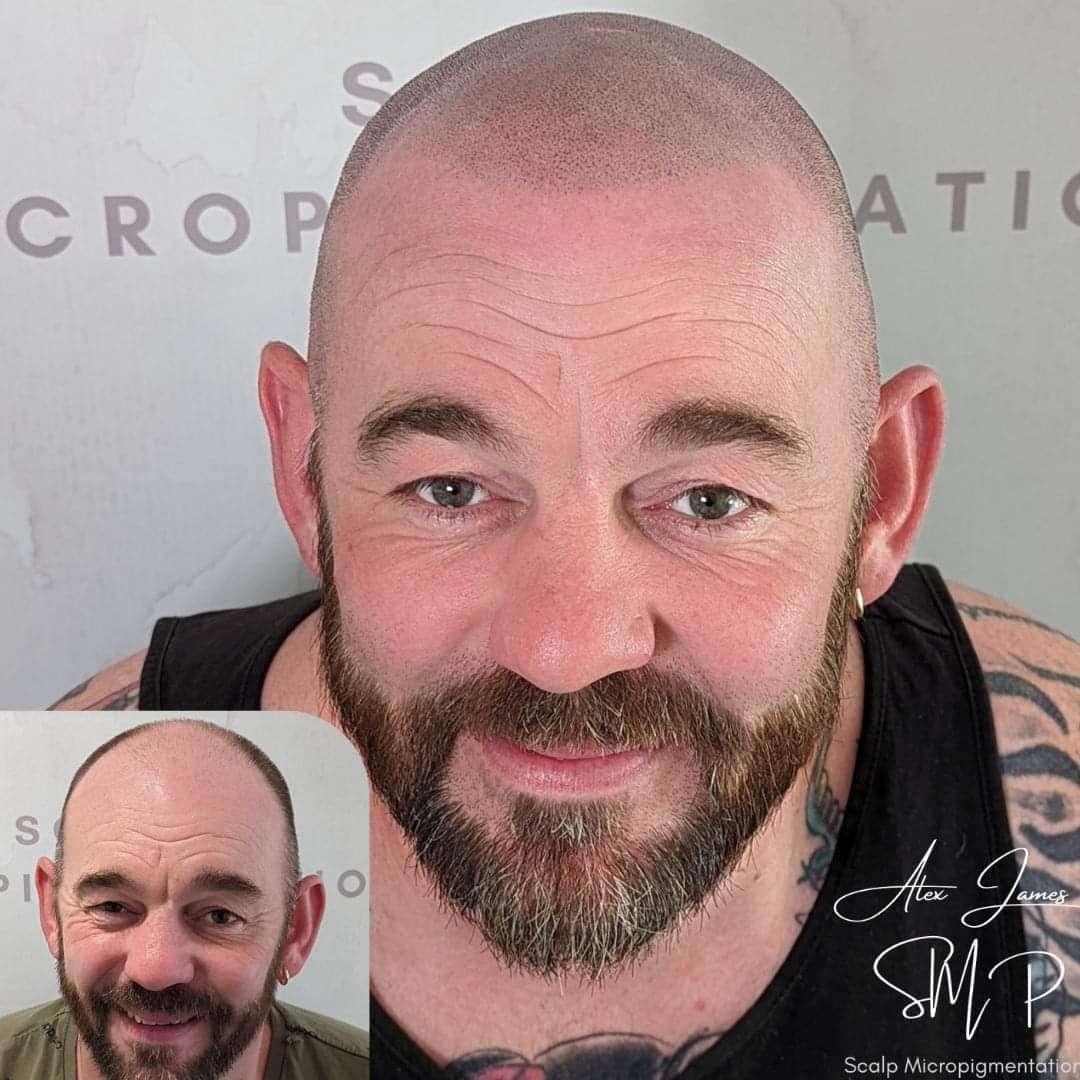
SMP results before and after showing natural appearance

Want to see what properly executed SMP looks like in person?

Book a Free Consultation

The Practitioner Question

Why the person doing it matters more than anything else

SMP is a skill that takes time to develop properly. The physical process — depositing tiny dots of pigment at the right depth, size, and spacing — requires precision that comes from genuine training and experience, not a weekend course.

The best practitioners understand not just the technical side but the artistic one. Creating a hairline that looks natural on a specific person's face, at their age, with their skin tone and existing hair colour, requires judgement that can't be learned from a manual.

What to look for in a practitioner

  • An extensive portfolio of real client results — not just their best handful
  • Willingness to show you their own SMP if they've had it themselves
  • Honest conversation about what's achievable for your specific situation
  • No pressure to book or commit immediately after a consultation
  • Clear explanation of the multi-session process and why patience produces better results
  • Transparent pricing — not "price on assessment" designed to get you through the door

Red flags to walk away from

  • Offering to complete everything in one session
  • Showing only heavily filtered or few before/after images
  • Unable or unwilling to discuss realistic limitations
  • Pricing significantly below the market rate
  • Pressure tactics or urgency to book on the spot
  • No consultation process before agreeing to treat

Pigment & Technique: The Technical Side

Why what goes into the scalp matters as much as the skill applying it

Not all SMP pigments are the same. Standard tattoo ink is not appropriate for SMP — it's designed to go deeper into the skin and contains compound colours that shift over time, often turning blue or green. Professional SMP uses carbon-based pigments specifically formulated for the scalp, at the correct depth, that maintain their intended colour over years.

Similarly, the needles matter. Proper SMP uses needles significantly smaller than standard tattoo needles — creating precise, fine dots rather than the broader marks that can blur and look artificial as they age.

The layering process — why multiple sessions matter

Rushing SMP into fewer sessions produces the kind of heavy, unnatural density that makes it obvious. The professional approach builds pigment gradually across 3 sessions spaced a few weeks apart — allowing each layer to heal and settle before the next is added. The result is depth, dimension, and a natural appearance that a one-session approach cannot replicate.

Want to understand what's achievable for your specific hair loss? Alex is happy to assess honestly.

WhatsApp Alex

What to Do Before You Book

The steps that protect you from poor results

The decision about where to have SMP done is the most important decision in the whole process. Taking time to research properly before committing protects you from the kind of poor results that are expensive to correct and sometimes impossible to fully undo.

  • Book consultations at 2–3 clinics before deciding — the conversations will be revealing
  • Ask specifically to see before/after photos of clients with similar hair loss to yours
  • Ask what pigment they use and why — a practitioner who can't explain this clearly is a concern
  • Ask how many sessions they recommend and why — anything less than 3 is a red flag
  • Look at results in natural lighting, not just professional photography
  • Check reviews specifically for mentions of how results look 1–2 years on, not just immediately after

At Alex James SMP, every consultation includes seeing Alex's own SMP results in person — he had the treatment himself and has maintained it for over six years. It gives you an honest, real-world picture of what properly executed SMP looks like years after treatment, not just the week it was done.

See the Real Thing Before You Decide

The best way to answer "does SMP look fake" is to see professional, long-term results in person. Come to a free consultation at Alex James SMP and see Alex's own SMP — over six years old and still looking exactly as intended.

Book a Free Consultation

No pressure · No obligation · Based in Rossendale, Lancashire · Clients travel from across the UK