
MULTIPLE AWARD WINNING
2000+ HAPPY CUSTOMERS
SCALP MICROPIGMENTATION · LANCASHIRE
It's one of the first things people ask when they're considering SMP — and it's a fair question. If you've still got some hair, the last thing you want is a treatment that makes things worse. The short answer is no, SMP does not damage hair follicles when performed correctly. But there's more to understand than a one-line answer.
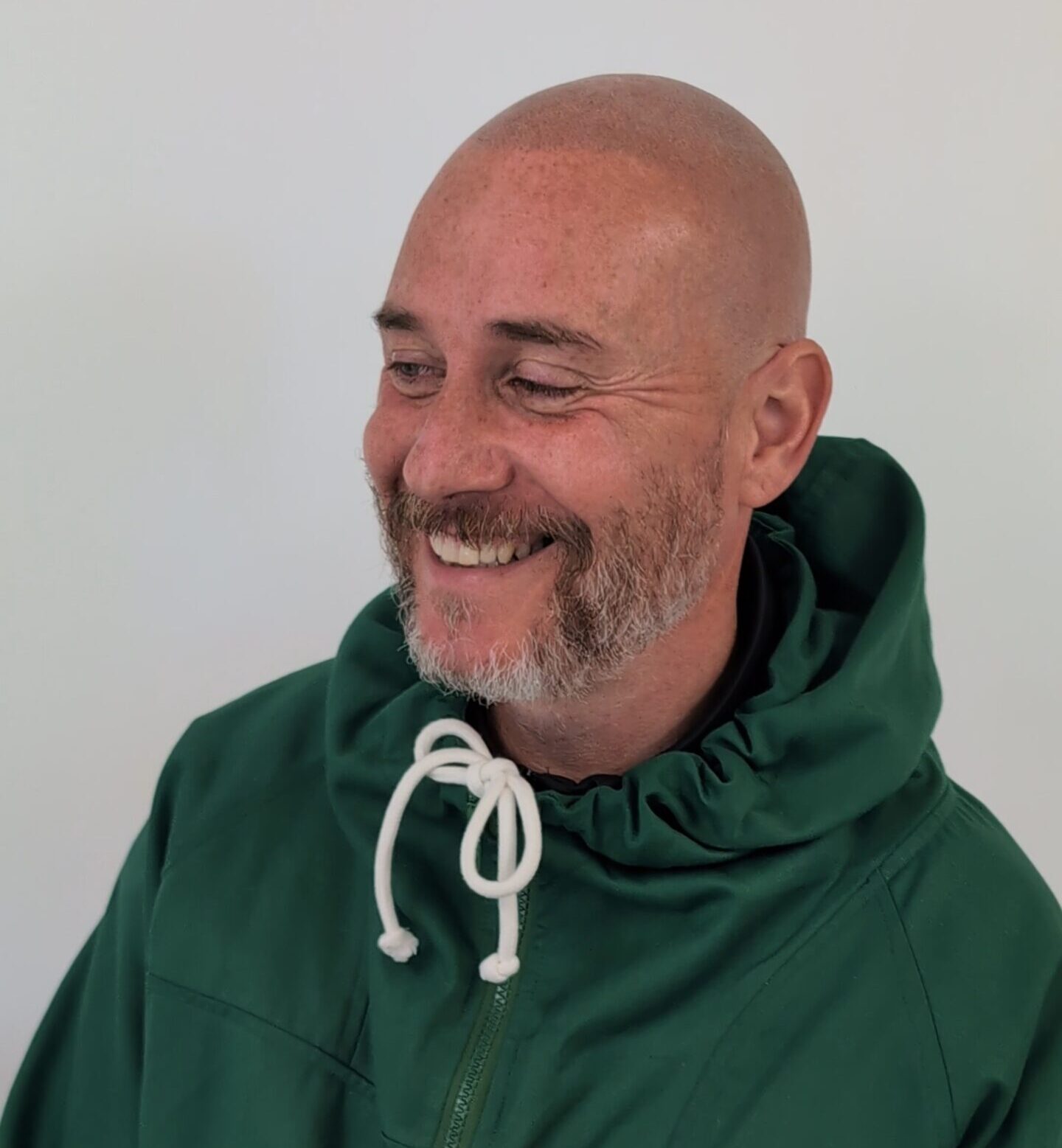
I had SMP myself, so I know exactly what the process involves and what it feels like. In this guide I'll explain how the needles interact with your scalp, why follicle damage isn't a realistic concern with a properly trained practitioner, and what you should actually be watching out for when choosing a clinic.
IN THIS GUIDE
Understanding the process before worrying about the risks
SMP is a form of cosmetic tattooing specifically designed for the scalp. A specialist needle deposits small amounts of pigment into the upper layers of your skin, replicating the appearance of hair follicles. The result is a stippled effect that mimics a closely shaved head or adds density to thinning areas.
It's not tattooing in the traditional sense. The needles used are finer, the pigment is different, and the depth of penetration is deliberately controlled to stay within the dermis — not deep enough to reach the structures below. This distinction is important when it comes to follicle safety.
A typical SMP treatment involves three sessions spaced two to three weeks apart. Each session builds on the last, gradually deepening the colour and refining the hairline or density. The process is precise, methodical, and — when done by someone who knows what they're doing — well within safe parameters for scalp tissue.
The key numbers
SMP pigment is deposited at approximately 1–2mm depth into the dermis. Hair follicles sit at 2–7mm depth depending on the area of the scalp. There is a meaningful anatomical gap between where SMP works and where follicles live.
The anatomy of your scalp answers this directly
Hair follicles are deeper structures than most people realise. On the scalp, they typically sit between 2mm and 7mm below the surface depending on the region — the crown tends to be shallower, the sides deeper. The bulb of the follicle, where hair growth actually originates, is at the lowest point of this range.
SMP needles are designed to deposit pigment at a depth of roughly 1–2mm, within the upper dermis. This is far shallower than where follicles live. A correctly calibrated SMP device, used by a trained practitioner, simply cannot reach the follicle at standard operating depth.
Think of it this way: the needle goes into the skin, not through it. The follicle is substantially below the target zone. For follicle damage to occur during SMP, a practitioner would need to be either significantly miscalibrating their equipment or using wildly incorrect technique — neither of which should happen with proper training.
To put it plainly
In thousands of SMP treatments performed across the industry, follicle damage as a documented complication is not an established concern. It is not listed in clinical literature on SMP adverse effects, and it is not something experienced practitioners encounter.
Why training and equipment calibration matter
The safety of your follicles comes down to controlled needle depth — and this is where practitioner training becomes critical. SMP requires a specific depth to achieve the right look. Too shallow and the pigment sits in the epidermis, fades quickly, and spreads. Too deep and you risk scarring, colour migration, and — in theory at least — getting closer to follicular structures.
A well-trained practitioner works consistently within the 1–2mm range. This is deep enough for the pigment to hold and appear as a natural follicle impression, but shallow enough to remain entirely above the follicle depth. It's a narrow target zone, and hitting it correctly every time is a skill that comes from proper training and practice on live models — not YouTube tutorials.
Going too deep is where problems begin — not follicle damage specifically, but scarring of the dermis and pigment blurring over time as ink spreads through deeper tissue. This is one of the most common signs of poor SMP work: dots that look blurred or smudged after a year or two rather than staying sharp and defined.
This is why choosing a properly trained practitioner matters — not primarily for follicle safety, but for the quality and longevity of your result. At Alex James SMP, all work is performed using calibrated equipment with consistent depth control, and every practitioner has trained on real clients under supervision before working independently.
Got questions about SMP and your hair?
A free consultation gives you honest answers specific to your situation. Alex has had SMP himself — there's no question he hasn't already thought about.
WhatsApp Alex for a Free ConsultationFree consultations available · See Alex's own SMP results in person · Currently booking 2–3 weeks ahead
SMP and active hair loss — what you need to know
Many clients come to SMP while they still have some hair — often thinning at the crown, a receding hairline, or patchy loss from alopecia. A reasonable concern is whether SMP could disrupt follicles that are already struggling.
The evidence and practical experience from treating thousands of clients points firmly in one direction: SMP does not accelerate or worsen ongoing hair loss. The treatment works around existing hair, not through it. Pigment is placed between hair shafts to add visual density, and the needle depth remains the same regardless of whether a follicle above it is active or dormant.
What does happen over time with thinning hair clients is that natural hair loss continues after SMP — because SMP does nothing to stop the underlying cause. This is an important distinction. If you're experiencing active male pattern baldness and you have SMP done on your crown today, you may lose more hair in that area over the coming years. The SMP won't cause that, but it also won't prevent it.
Planning for the future
If you have significant active hair loss, a good practitioner will discuss how to plan your SMP with future loss in mind — designing a hairline and density that will still look natural as your hair continues to change. This is one of the conversations we always have during a free consultation at Alex James SMP.
The real factors worth paying attention to
While the needle itself isn't a follicle risk, there are a few things worth being aware of that relate to scalp health during and after SMP treatment.
Any procedure that breaks the skin carries a low-level infection risk if aftercare isn't followed properly. An infection in the scalp — if left untreated — could theoretically affect follicles in the surrounding area. This is why aftercare instructions exist and why you should follow them: keep the scalp clean, avoid swimming and heavy sweating for the first week, and don't pick or scratch the treated area.
Very rarely, clients experience a reaction to the pigment used. This is more a skin sensitivity issue than a follicle issue, but significant inflammation left untreated could have broader effects on the scalp. Patch testing before treatment is available if you have a history of skin sensitivity.
Repeated trauma to the same area — from too many passes with a needle going too deep — can cause micro-scarring in the dermis. Severe, repeated scarring in the same zone could over time affect the tissue environment around follicles. This is an extreme scenario and not something that happens with proper technique, but it's another reason why operator skill matters.
The consistent theme here is that the risks aren't really about the SMP process itself — they're about poor execution or poor aftercare. A well-trained practitioner using good technique, followed by straightforward aftercare on your part, removes essentially all of these concerns.
What to watch for when choosing a clinic
The question "does SMP damage hair follicles?" is often really asking: "how do I know I'm choosing a safe practitioner?" These are the practical things to look for.
Some redness immediately after a session is completely normal. If it persists beyond 48 hours or is accompanied by heat and swelling, contact your practitioner — this isn't a follicle issue but it should be assessed.
Properly placed pigment should sit flat within the skin. If dots appear raised, keloid-like, or scarred, this indicates the needle went too deep or was used with too much force. This is a technique issue — not something you'd experience with a properly trained practitioner.
Sharp, defined dots should stay that way. If your SMP starts to look blurred or smudged within the first year, it's a sign the pigment was placed too deep — into fatty tissue where it spreads rather than staying crisp. This is the most common visible sign of incorrect depth and is entirely avoidable with proper training.
Any practitioner worth using will discuss your current hair loss, how it's likely to progress, and how that affects the SMP plan — before touching a needle. If a clinic is rushing you into a first session without that conversation, walk away.
Simple steps that make a real difference
Good aftercare isn't complicated, but it does matter — both for the quality of your result and for your scalp's overall health in the days following treatment.
For the first four days, keep the scalp dry. No swimming, no intense gym sessions, no steam rooms. Sweat and moisture in the early stages can lift the pigment before it has fully settled into the dermis, which affects your result rather than your follicles — but it's worth avoiding either way.
After day four, you can wash your scalp gently with a mild, fragrance-free shampoo. Avoid anything harsh or heavily medicated in the first two weeks. If you use minoxidil or other topical hair loss treatments, check with your practitioner about when to resume — typically after the scalp has fully healed between sessions.
Sun exposure is worth managing long-term. UV light causes SMP pigment to fade faster than it otherwise would. Once healed, using an SPF on the scalp when outdoors is a simple habit that extends the life of your treatment significantly.
Full aftercare guidance
We provide detailed written aftercare instructions after every session. If you have any concerns between sessions — unusual redness, itching, or anything that doesn't feel right — WhatsApp Alex directly on 07763875362 and he'll advise.
Common questions about SMP and hair follicle safety
No. SMP does not cause hair loss. The needles work well above the depth where follicles sit, and the treatment has no mechanism by which it would trigger hair loss. If you lose more hair after SMP, that's your underlying hair loss condition progressing — not a consequence of the treatment.
No. Pigment deposited in the upper dermis does not interfere with hair growth. Active follicles will continue to produce hair as normal after SMP, and this hair grows through and alongside the pigmented area without any issue.
Yes. SMP is routinely performed on clients with active hair — it's specifically designed to blend with existing hair and add visual density to thinning areas. The technique adapts to work around natural hair rather than treating it as an obstacle.
Generally yes, though you should pause topical minoxidil on the treated area for a few days post-session to allow the skin to heal properly. Oral finasteride doesn't affect SMP treatment. Let your practitioner know what you're using at consultation — it's useful context when planning your treatment.
This is worth discussing carefully. SMP pigment sits in the dermis — the same layer through which a hair transplant surgeon extracts and implants grafts. Experienced transplant surgeons are generally able to work through SMP, but it's important to be transparent with any surgeon about existing SMP. If you're considering both treatments, discuss the sequencing with a specialist before committing to either.
Ask to see a portfolio of healed results — not just fresh work. Ask about their training background and how many clients they've treated. A confident, experienced practitioner will answer these questions without hesitation. Be wary of anyone who is cagey about their training or can only show you fresh-from-session photos.
ALEX JAMES SMP · ROSSENDALE, LANCASHIRE
A free consultation is the best way to get honest answers about your specific situation. Alex has been through the process himself — you'll get straight answers, not a sales pitch.
WhatsApp Alex for a Free Consultation