Alex James SMP

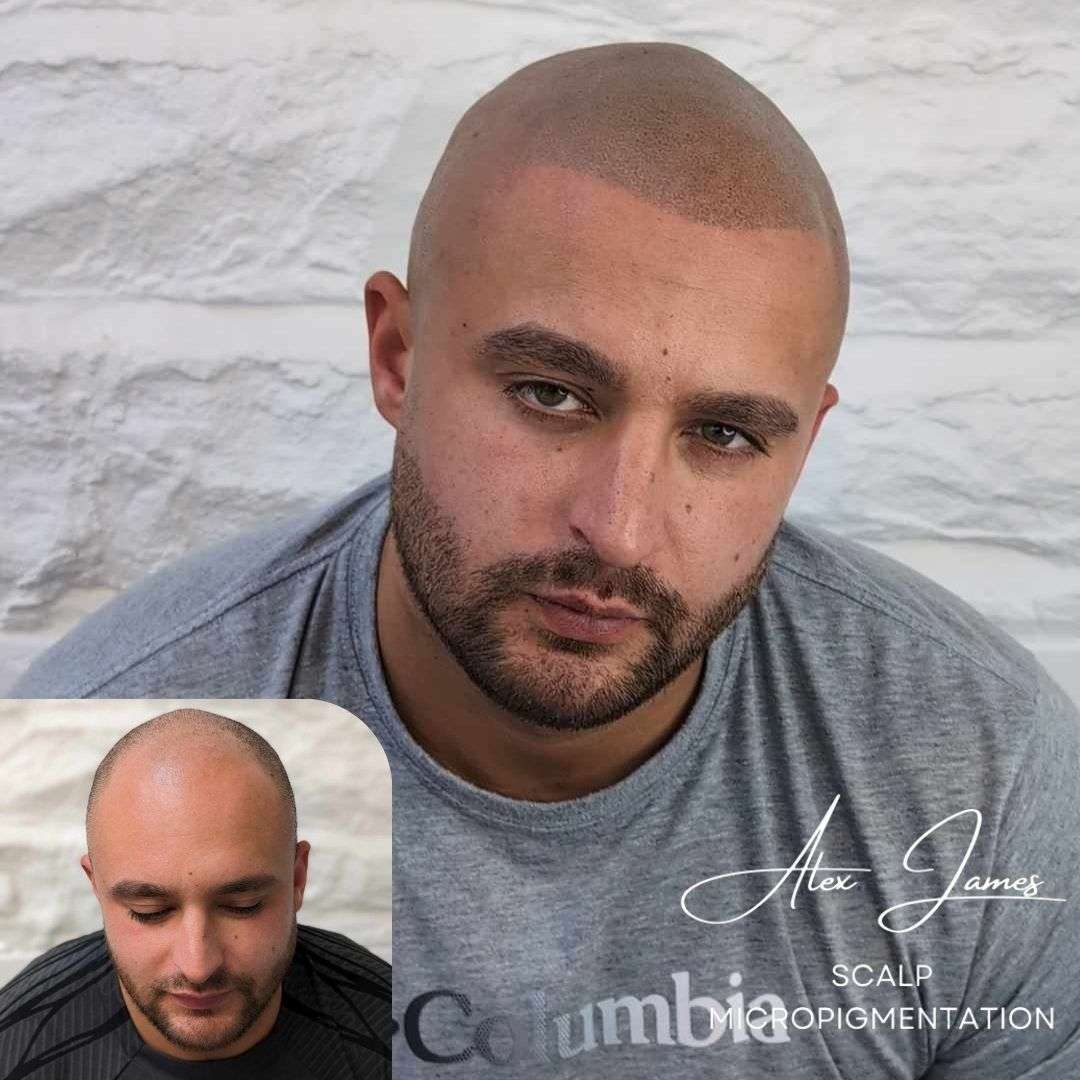
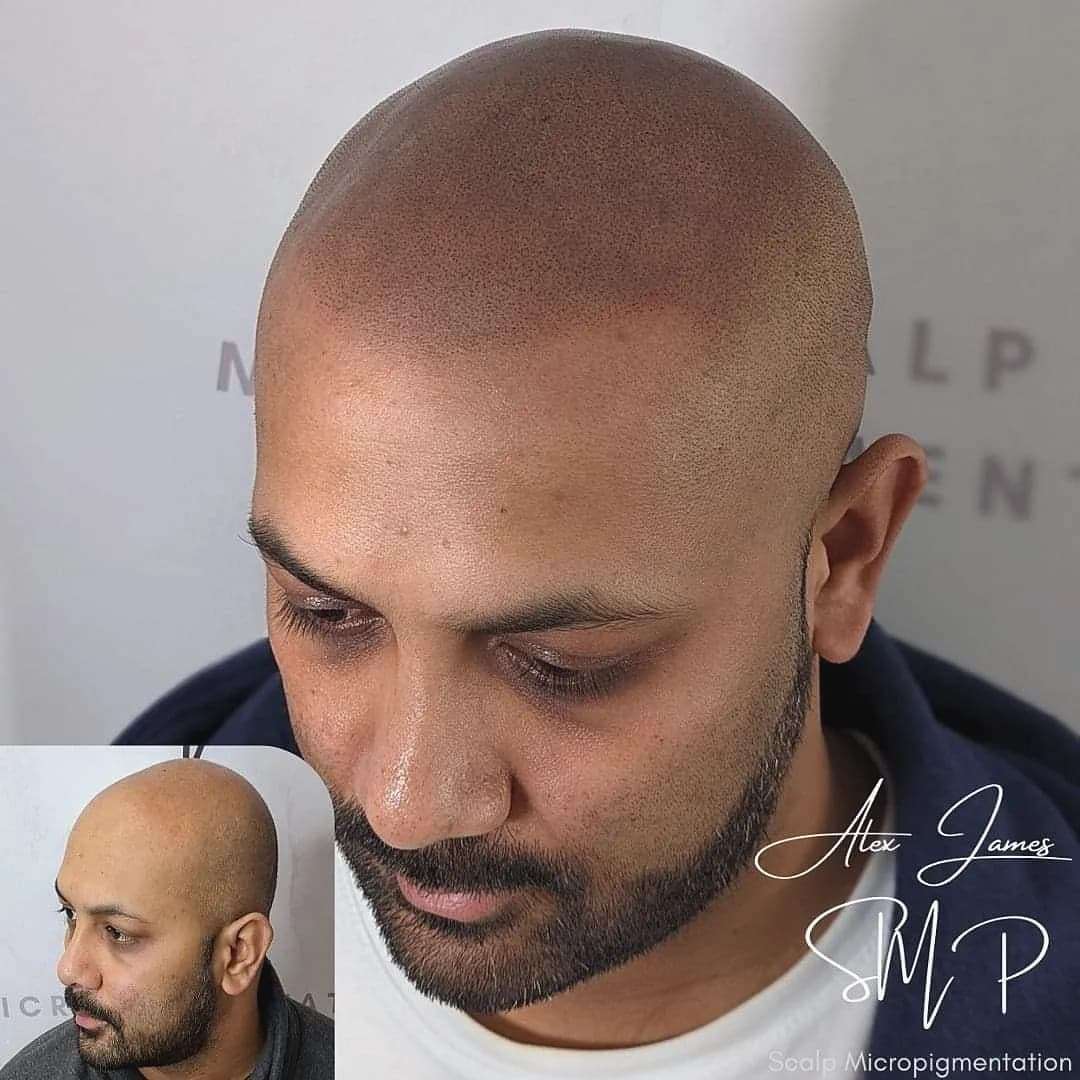
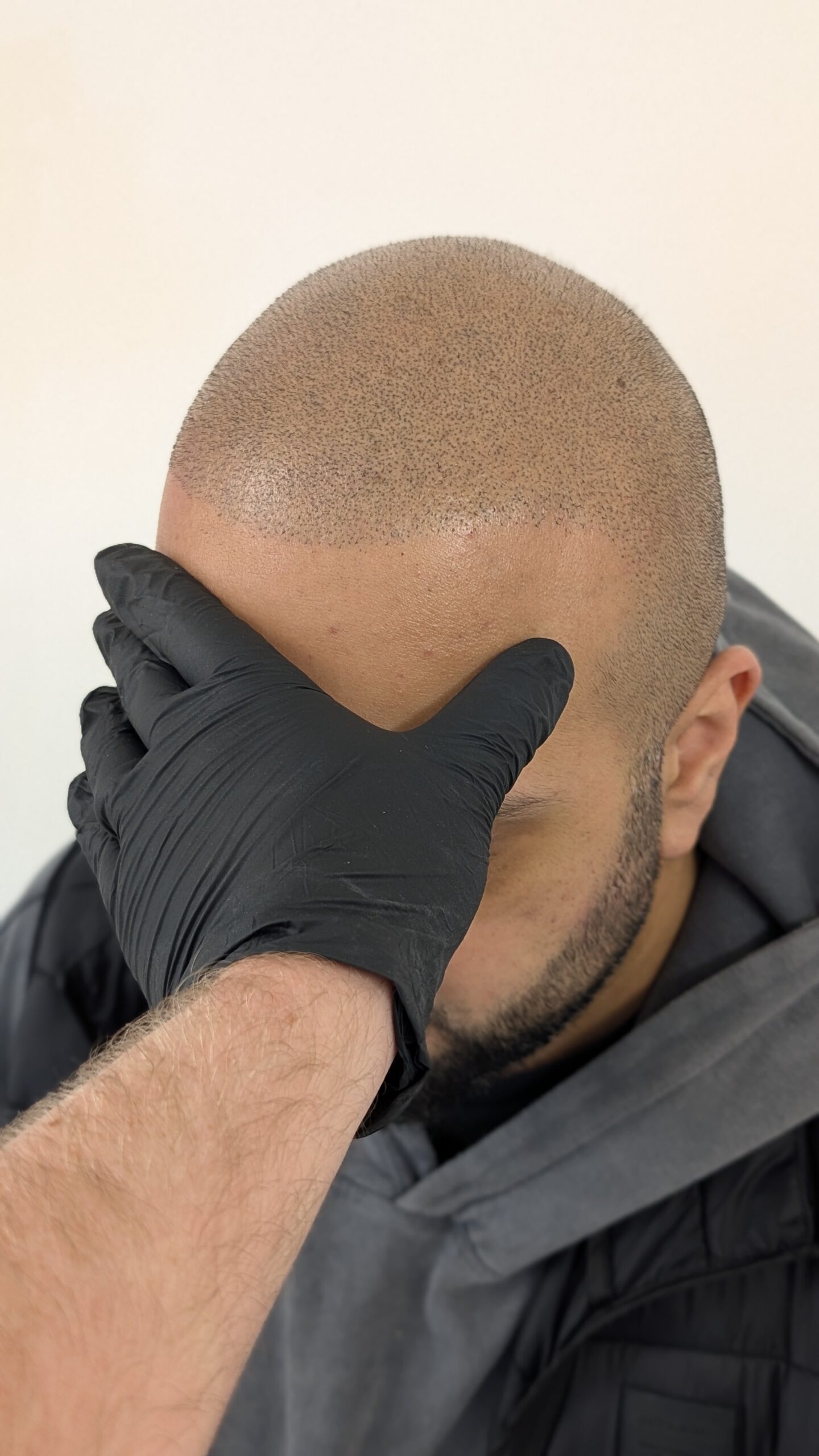
SMP treatment results at Alex James Clinic Manchester

What Is Scalp Micropigmentation?

Hair loss affects millions of people across the UK, yet for many, the emotional impact can feel intensely personal. Whether it begins with subtle thinning at the crown, a slowly receding hairline, or more advanced loss across the scalp, it often changes how people see themselves long before anyone else notices. This is why more people than ever are researching scalp micropigmentation and asking a simple but important question: what is scalp micropigmentation, and how does it actually work?

Scalp micropigmentation, often shortened to SMP, is a highly specialised cosmetic treatment designed to create the realistic appearance of natural hair follicles using precise pigment placement. Rather than attempting to regrow hair, SMP focuses on restoring the look of hair density by reducing the contrast between the scalp and the hair. This visual effect can recreate the appearance of a closely shaved hairstyle, strengthen the look of thinning areas, or camouflage visible scars.

At its core, scalp micropigmentation is about perception. Hair loss becomes more noticeable not simply because hair disappears, but because the scalp becomes more visible. Light reflects differently from exposed skin than it does from hair, which makes thinning areas stand out. SMP works by recreating the visual signals the eye expects to see when looking at a full, healthy head of hair. When performed correctly, the result doesn’t look like a cosmetic procedure — it simply looks natural.

This distinction is important, because scalp micropigmentation is not a medical treatment, nor is it a surgical procedure. It does not interfere with hair follicles, alter hair growth, or require invasive techniques. Instead, it is a cosmetic solution that focuses entirely on improving appearance. This makes it fundamentally different from hair transplant surgery, medications, or topical treatments.

For many people, this difference is exactly what makes SMP appealing. Hair transplants can be expensive, unpredictable, and limited by donor hair availability. Medications may slow hair loss but often cannot restore what has already been lost. Scalp micropigmentation offers an alternative approach, one that focuses on achieving a realistic and controlled visual result.

Another key reason scalp micropigmentation has grown rapidly in popularity is its versatility. It can be adapted to suit a wide range of hair loss patterns, from complete baldness to early thinning. Some people use SMP to recreate a defined hairline and embrace a clean, shaved look. Others use it more subtly, blending pigment between existing hairs to make thinning areas appear fuller.

This adaptability means SMP is not limited to one specific type of person. It is used by men and women, younger individuals experiencing early hair loss, and older clients who have lived with thinning hair for many years. It is also commonly used to improve the appearance of scars, particularly those left by previous hair transplant procedures.

Understanding what scalp micropigmentation is also means understanding what it is not. It is not a miracle cure for hair loss, and it does not make hair grow back. Instead, it offers something different: control over how hair loss appears. By carefully recreating the visual effect of hair follicles, scalp micropigmentation allows hair loss to become far less noticeable, which can have a meaningful impact on confidence and self-image.

The effectiveness of SMP depends heavily on how it is performed. Precision, restraint, and careful planning are essential. When done correctly, the pigment impressions are subtle, varied, and natural-looking. When done poorly, the results can appear artificial or overly harsh. This is why practitioner experience plays such an important role in achieving a successful outcome.

Because scalp micropigmentation works at the level of visual perception rather than biological change, the transformation can often feel immediate. Many people describe looking in the mirror after their sessions and simply seeing themselves again, without their attention being drawn automatically to thinning areas.

This psychological effect should not be underestimated. Hair plays a powerful role in identity, and its loss can change how people feel in social and professional settings. While SMP does not restore hair itself, it restores something closely connected to it: the appearance of normality.

As awareness of scalp micropigmentation continues to grow across the UK, more people are beginning to explore it as a long-term solution. However, understanding what SMP is involves more than just knowing its definition. It also means understanding how scalp micropigmentation works, how it achieves realistic results, and why it has become one of the most sought-after non-surgical hair loss solutions available today.

Table of Contents

How Does Scalp Micropigmentation Work?

To truly understand what scalp micropigmentation is, it helps to look beyond the definition and explore how the treatment works in practice. While the concept may sound simple — placing pigment into the scalp — the reality is far more precise. Every stage of the process is carefully controlled to ensure the result looks natural not just immediately after treatment, but months and years later as well.

Scalp micropigmentation works by creating thousands of tiny, layered impressions that replicate the appearance of natural hair follicles. These impressions are positioned strategically across the scalp in a pattern that mirrors how hair would naturally grow. The goal is not to create uniform dots, but to recreate the subtle irregularity and softness that makes real hair appear natural to the eye.

This attention to detail is what separates professional scalp micropigmentation from basic tattooing. Hair follicles are not identical in size, depth, or spacing, and recreating them convincingly requires careful variation. When impressions are too consistent, too dark, or placed incorrectly, the result can look artificial. When they are placed correctly, however, they blend seamlessly with the scalp and existing hair.

The process always begins with a consultation, where the practitioner assesses your hair loss pattern, skin tone, and overall goals. This stage is critical because scalp micropigmentation is highly individual. Someone with advanced hair loss looking to recreate a full shaved style will require a different approach from someone with longer hair who simply wants to reduce scalp visibility in thinning areas.

One of the most important elements established during consultation is the hairline design. A natural hairline is rarely straight or sharply defined. Instead, it typically contains small irregularities that soften its appearance. Recreating this subtle imperfection is essential to achieving realism. Hairlines that are too sharp, too low, or too symmetrical can draw attention rather than blend naturally.

Once treatment begins, pigment impressions are applied gradually over multiple sessions. This layered approach allows the practitioner to assess how the scalp responds and how the pigment settles as it heals. Immediately after treatment, impressions may appear darker and more defined than the final healed result. Over the following days and weeks, the pigment softens and blends naturally as the skin recovers.

This gradual building of density is one of the reasons scalp micropigmentation achieves such realistic results. Rather than attempting to create the final look in a single session, the practitioner works progressively, refining the appearance each time. This also allows adjustments to be made, ensuring the final outcome aligns with your expectations.

Healing is a normal and expected part of the process. The impressions themselves are extremely small, and the scalp typically recovers quickly. As the skin renews, the pigment settles into its intended appearance. This settling period is essential for achieving the soft, natural look that defines successful scalp micropigmentation.

Another key factor in how scalp micropigmentation works is pigment selection. Choosing the correct shade is not simply a matter of matching hair colour. The practitioner must consider how the pigment will look against your skin tone, how it will appear under different lighting conditions, and how it will soften over time. Pigments that are too dark or incorrectly chosen can become more noticeable rather than blending naturally.

Scalp micropigmentation also works differently depending on whether you have existing hair. For clients with thinning hair, SMP is used to create the appearance of greater density by reducing contrast between hair and scalp. This is often referred to as density treatment. The pigment impressions sit between existing hairs, making the hair appear fuller without changing the hair itself.

For clients who are fully bald, SMP creates the appearance of a closely shaved hairstyle. This works because even shaved hair leaves visible follicles beneath the skin. By recreating this follicle pattern, scalp micropigmentation restores the visual cues the eye associates with a natural hairline.

The precision required means scalp micropigmentation is not something that can be rushed. Each impression contributes to the overall result, and careful placement ensures the appearance remains soft and realistic. This level of control is one of the reasons SMP has become such a trusted option for hair loss.

Understanding how scalp micropigmentation works also helps explain why results can last for years. While the pigment softens gradually over time, the overall effect remains stable and consistent. Many people choose to have a light refresh session in the future to maintain optimal definition, but this is part of normal cosmetic maintenance rather than a sign of failure.

Because SMP focuses entirely on appearance rather than biology, it offers predictability. Hair transplants depend on graft survival, and medications depend on individual response. Scalp micropigmentation, when performed correctly, produces visible results based on careful planning and execution.

For many people, this predictability brings peace of mind. Instead of waiting months or years to see whether a treatment works, the improvement in appearance becomes visible as the sessions progress. This sense of control is one of the reasons scalp micropigmentation continues to grow in popularity throughout the UK.

As you continue exploring scalp micropigmentation, it’s natural to wonder how it compares to tattooing, why the technique was developed in the first place, and how it has evolved into the modern treatment available today. Understanding these differences helps explain why SMP has become a specialised field in its own right rather than simply an extension of traditional tattooing.

Is Scalp Micropigmentation a Tattoo?

One of the most common questions people ask when first learning what scalp micropigmentation is relates to whether it is simply a form of tattooing. The short answer is that while scalp micropigmentation uses similar principles, it is fundamentally different in its purpose, technique, and outcome.

At first glance, the comparison makes sense. Both involve placing pigment into the skin to create a lasting visual effect. However, scalp micropigmentation is a highly specialised cosmetic procedure developed specifically to replicate the appearance of natural hair follicles. Traditional tattooing, by contrast, is designed to create visible artwork, shapes, or solid colour.

The key difference lies in realism. Hair follicles are extremely small, and the impressions created during scalp micropigmentation must reflect this. Each pigment impression is carefully sized and positioned to match the scale and softness of real follicles. Tattoo ink placed too deeply, too darkly, or without variation would not produce the same effect and would instead appear artificial.

Depth is another important distinction. Scalp micropigmentation pigment is placed at a shallower depth than traditional tattoos. This helps ensure the impressions remain soft and natural-looking rather than spreading or blurring over time. It also allows the pigment to fade gradually and evenly, which is essential for maintaining realism.

Pigment composition also differs. Traditional tattoo inks are designed for bold, long-lasting artwork and often contain colour blends intended to remain vibrant. Scalp micropigmentation pigments are formulated specifically to mimic natural follicle tones and maintain a realistic appearance as they settle and soften.

Perhaps the most significant difference, however, is intent. Tattooing is typically meant to be seen as decoration. Scalp micropigmentation is meant to go unnoticed. The best SMP results do not draw attention to themselves. Instead, they subtly restore the visual balance of the scalp so that hair loss is no longer the first thing people notice.

Because of this, scalp micropigmentation requires a different level of restraint. Adding too much pigment too quickly can make the result appear harsh or unnatural. This is why treatments are built gradually, allowing the practitioner to assess how the pigment settles before adding more density.

It’s also important to understand that scalp micropigmentation does not behave like traditional tattoos over time. While tattoo artwork is designed to remain bold, SMP is designed to soften slightly as it heals. This softening contributes to the realistic effect. Over many years, pigment may gradually fade, which allows refresh sessions to maintain the original appearance.

This controlled fading is actually beneficial. It allows adjustments to be made if hair loss progresses or if preferences change. Rather than being permanently fixed, scalp micropigmentation can evolve naturally over time.

Understanding that scalp micropigmentation is not simply a tattoo helps explain why choosing an experienced specialist matters so much. The treatment requires an understanding of hair loss patterns, facial proportions, pigment behaviour, and how the scalp heals. These factors go far beyond traditional tattoo techniques.

For many people, this distinction provides reassurance. Knowing that scalp micropigmentation is a specialised cosmetic solution rather than a conventional tattoo helps clarify why it can achieve such natural-looking results when performed correctly.

As scalp micropigmentation has become more widely recognised, its reputation has grown from a niche technique into one of the most trusted non-surgical hair loss solutions available. To understand how this happened, it helps to look at the origins of the treatment and how it developed into the modern procedure used today.

The History of Scalp Micropigmentation

Although scalp micropigmentation has gained widespread popularity in recent years, the principles behind it began developing decades ago. Early forms of cosmetic pigmentation were originally used in medical settings, particularly to help camouflage scars and skin conditions.

In these early applications, practitioners recognised that carefully placed pigment could restore the visual appearance of areas where natural pigmentation was missing. This technique was initially used in medical tattooing, including restoring the appearance of features affected by injury or surgery.

As techniques improved, practitioners began applying similar principles to the scalp. Hair loss presented a unique challenge because the goal was not to create a solid colour, but to recreate the illusion of individual hair follicles. Early attempts were often limited by equipment and pigment technology, which meant results could appear less refined than modern standards.

Over time, advances in technique and understanding allowed scalp micropigmentation to evolve into a specialised field. Practitioners began refining methods to ensure pigment impressions remained crisp, appropriately sized, and naturally distributed. This gradual evolution helped move SMP away from traditional tattooing and establish it as its own discipline.

The rise of modern scalp micropigmentation accelerated as more people began openly discussing hair loss and exploring cosmetic solutions. Public figures and celebrities contributed to this shift by demonstrating how natural the results could look when performed correctly. This increased visibility helped reduce stigma and encouraged more people to consider the treatment.

Technological improvements also played an important role. Modern equipment allows for far greater control and precision, making it possible to recreate the subtle details required for realism. Pigment formulations have also improved, allowing for more stable, natural-looking results.

Today, scalp micropigmentation is recognised as a specialised cosmetic treatment rather than an experimental technique. It is used internationally and has become a trusted option for individuals seeking a reliable, non-surgical solution to hair loss.

Its evolution reflects a broader shift in how hair loss is approached. Where options were once limited primarily to surgery or medication, scalp micropigmentation provides an alternative focused entirely on appearance. This shift has allowed many people to regain confidence without undergoing invasive procedures.

Understanding the history of scalp micropigmentation also highlights how much the treatment depends on skill and experience. While the concept may appear straightforward, achieving realistic results requires a deep understanding of technique and restraint.

As SMP has developed, it has become increasingly adaptable, allowing it to help people at many different stages of hair loss. One of the most common reasons people explore scalp micropigmentation today is to improve the appearance of thinning hair, particularly in areas like the crown or hairline where scalp visibility becomes more noticeable.

The History of Scalp Micropigmentation

Although scalp micropigmentation has gained widespread popularity in recent years, the principles behind it began developing decades ago. Early forms of cosmetic pigmentation were originally used in medical settings, particularly to help camouflage scars and skin conditions.

In these early applications, practitioners recognised that carefully placed pigment could restore the visual appearance of areas where natural pigmentation was missing. This technique was initially used in medical tattooing, including restoring the appearance of features affected by injury or surgery.

As techniques improved, practitioners began applying similar principles to the scalp. Hair loss presented a unique challenge because the goal was not to create a solid colour, but to recreate the illusion of individual hair follicles. Early attempts were often limited by equipment and pigment technology, which meant results could appear less refined than modern standards.

Over time, advances in technique and understanding allowed scalp micropigmentation to evolve into a specialised field. Practitioners began refining methods to ensure pigment impressions remained crisp, appropriately sized, and naturally distributed. This gradual evolution helped move SMP away from traditional tattooing and establish it as its own discipline.

The rise of modern scalp micropigmentation accelerated as more people began openly discussing hair loss and exploring cosmetic solutions. Public figures and celebrities contributed to this shift by demonstrating how natural the results could look when performed correctly. This increased visibility helped reduce stigma and encouraged more people to consider the treatment.

Technological improvements also played an important role. Modern equipment allows for far greater control and precision, making it possible to recreate the subtle details required for realism. Pigment formulations have also improved, allowing for more stable, natural-looking results.

Today, scalp micropigmentation is recognised as a specialised cosmetic treatment rather than an experimental technique. It is used internationally and has become a trusted option for individuals seeking a reliable, non-surgical solution to hair loss.

Its evolution reflects a broader shift in how hair loss is approached. Where options were once limited primarily to surgery or medication, scalp micropigmentation provides an alternative focused entirely on appearance. This shift has allowed many people to regain confidence without undergoing invasive procedures.

Understanding the history of scalp micropigmentation also highlights how much the treatment depends on skill and experience. While the concept may appear straightforward, achieving realistic results requires a deep understanding of technique and restraint.

As SMP has developed, it has become increasingly adaptable, allowing it to help people at many different stages of hair loss. One of the most common reasons people explore scalp micropigmentation today is to improve the appearance of thinning hair, particularly in areas like the crown or hairline where scalp visibility becomes more noticeable.

SMP for Thinning Hair: How Scalp Micropigmentation Restores the Appearance of Density

While many people associate scalp micropigmentation with fully bald clients recreating a shaved hairstyle, one of its most powerful and increasingly popular uses is helping those with thinning hair. In fact, for individuals experiencing early to moderate hair loss, SMP can create one of the most subtle yet effective visual improvements possible.

Hair thinning often develops gradually. It may begin with a widening parting, reduced density at the crown, or increased scalp visibility under bright lighting. Over time, these changes can become more noticeable, particularly when hair is wet, styled, or viewed from certain angles. What makes thinning hair so visually prominent is not simply the loss of hair itself, but the increased contrast between hair and scalp.

Scalp micropigmentation works by reducing this contrast.

Rather than attempting to replace lost hair, SMP places carefully positioned pigment impressions between existing hair follicles. These impressions replicate the appearance of natural follicles beneath the skin, creating a shadow effect that makes the hair above appear thicker and fuller. This is often referred to as density SMP, and when performed correctly, it integrates seamlessly with existing hair.

The effect is subtle but powerful. Instead of seeing scalp through thinning areas, the eye sees what appears to be natural follicle presence. This changes how light reflects across the scalp and restores the visual impression of density.

This approach works particularly well in areas such as:

  • the crown, where thinning often develops first

  • the frontal hairline, where recession may create visible gaps

  • the mid-scalp, where overall density has reduced

  • parting lines, where scalp visibility has increased

Because SMP does not rely on hair growth, its effectiveness does not depend on follicle activity. Even if hair loss continues gradually over time, scalp micropigmentation can maintain the appearance of density by supporting the remaining hair visually.

Another important advantage is its compatibility with different hair lengths. Unlike the shaved style approach, density SMP can be performed without requiring clients to shave their head. This makes it suitable for individuals who prefer to keep their existing hairstyle while improving its appearance.

However, achieving natural density requires careful planning. Pigment impressions must be placed in a way that complements natural hair distribution rather than overpowering it. If too much pigment is applied, the result can appear overly solid or artificial. When performed with restraint, SMP creates a balanced effect that enhances existing hair without drawing attention.

Lighting plays a significant role in how thinning hair appears, and this is where scalp micropigmentation can make a particularly noticeable difference. Bright overhead lighting often highlights thinning areas by reflecting off exposed scalp. By restoring the visual presence of follicles, SMP reduces this reflection and creates a more even appearance across the scalp.

Many clients notice that after scalp micropigmentation, they feel more comfortable in situations where hair loss was previously more visible, such as under strong lighting, in photographs, or when viewed from above.

Scalp micropigmentation can also complement other hair loss treatments. Some individuals combine SMP with medications designed to slow hair loss, while others use it alongside previous hair transplant procedures to enhance overall appearance. In these cases, SMP provides visual support that improves the consistency of the final result.

It’s important to understand that scalp micropigmentation does not interfere with hair follicles. It does not damage existing hair or prevent future growth. Instead, it works independently of the hair itself, focusing entirely on improving how the scalp looks.

This independence is one of its key strengths. Hair growth treatments can be unpredictable, with varying levels of effectiveness depending on individual biology. Scalp micropigmentation, by contrast, produces visible improvements based on careful design rather than biological response.
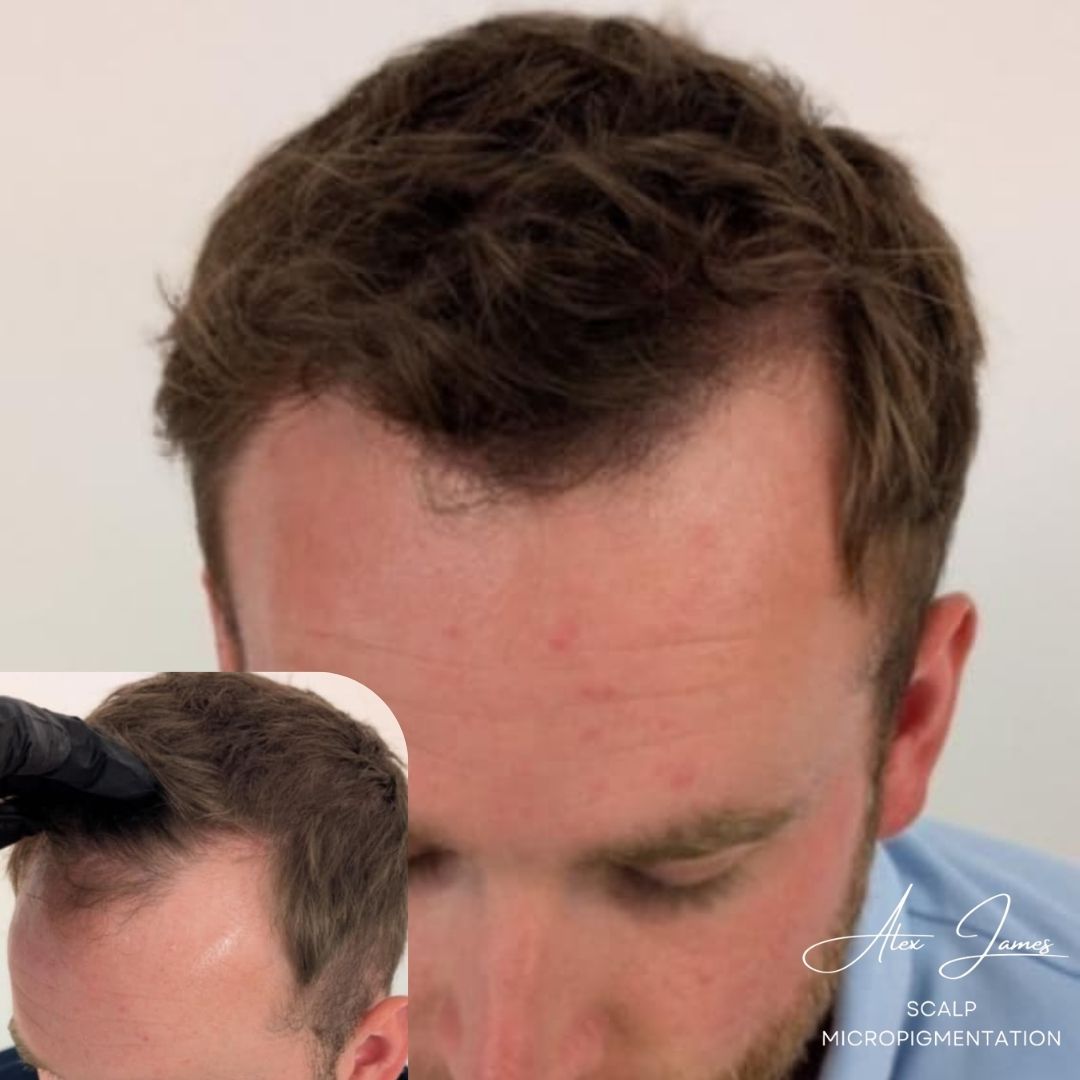
For many people, the emotional impact of thinning hair can be significant. The gradual change in appearance may affect confidence, self-image, and social comfort. By restoring the appearance of density, scalp micropigmentation helps shift attention away from hair loss and back toward the overall look.

The result is not about creating something artificial, but about restoring visual balance.

Understanding how SMP helps thinning hair also helps answer another common question: how realistic does scalp micropigmentation actually look?

Because ultimately, the success of scalp micropigmentation depends on how naturally it blends with your appearance.

what is scalp micropigmentation? Alex James Clinic Lancashire

Does Scalp Micropigmentation Look Real? Understanding Realism and What Influences Natural Results

One of the most important questions people ask before deciding whether scalp micropigmentation is right for them is whether it actually looks real. This concern is completely understandable. Because the treatment involves placing pigment into the scalp, many people worry that it might look obvious, artificial, or unnatural.

When performed correctly, scalp micropigmentation can look extremely realistic. The reason lies in how the human eye perceives hair. Even when hair is shaved very short, the follicles remain visible beneath the skin. These follicles create a subtle shadow pattern that the brain recognises instantly as natural hair. Scalp micropigmentation recreates this exact visual effect.

Rather than trying to imitate strands of hair, SMP focuses on replicating the appearance of follicles. This distinction is crucial. Attempting to recreate individual hairs would not look convincing, but recreating the follicle pattern beneath the skin allows the scalp to appear naturally populated with hair.

Realism depends heavily on precision. Each pigment impression must be the correct size, tone, and placement. If impressions are too large, too dark, or too uniform, the result can look artificial. Natural hair follicles vary slightly in appearance, and recreating this variation is essential for achieving a believable outcome.

Hairline design plays an equally important role. A natural hairline is rarely perfectly straight or symmetrical. It typically contains subtle irregularities and softness. When hairlines are designed too sharply or placed too low, they can appear unnatural. An experienced practitioner understands how to design a hairline that complements facial features and looks appropriate for your age and appearance.

Pigment colour selection is another critical factor. The goal is not simply to match hair colour exactly, but to choose a tone that will heal naturally against your skin. Pigments that are too dark can appear harsh, while pigments that are too light may not provide enough visual density. The correct balance ensures the result blends seamlessly.

Lighting conditions also influence how scalp micropigmentation appears. Natural SMP results should remain believable in different environments, including natural daylight, indoor lighting, and photography. When performed correctly, SMP should not suddenly appear obvious under bright lighting. Instead, it should maintain its natural effect consistently.

Healing plays a role in realism as well. Immediately after treatment, impressions may appear slightly more defined. As the scalp heals, the pigment softens and settles, creating a more natural appearance. This softening process is expected and contributes to the final realism of the treatment.

It’s also important to understand that scalp micropigmentation creates the appearance of hair, not actual hair strands. This means that while it looks like hair, it does not behave like hair. For example, it will not move or change length. Instead, it maintains a consistent appearance that replicates the look of closely shaved follicles.

Expectations play a key role in satisfaction. When scalp micropigmentation is approached with the correct understanding — as a visual solution rather than hair restoration — the results can be extremely effective. Many people find that SMP allows them to stop worrying about how their hair loss appears in daily life.

Another factor influencing realism is how the treatment is built over multiple sessions. This gradual layering allows the practitioner to refine the appearance and ensure the result develops naturally. Attempting to complete scalp micropigmentation too quickly can compromise realism.

Skin type also influences the final appearance. Different skin tones and textures retain pigment slightly differently, and experienced practitioners adjust their approach accordingly. This individualisation is essential for achieving consistent results across different clients.

When people see high-quality scalp micropigmentation in person, they are often surprised by how natural it looks. In many cases, others do not realise SMP has been performed unless they are told. Instead, they simply perceive a fuller, more defined appearance.
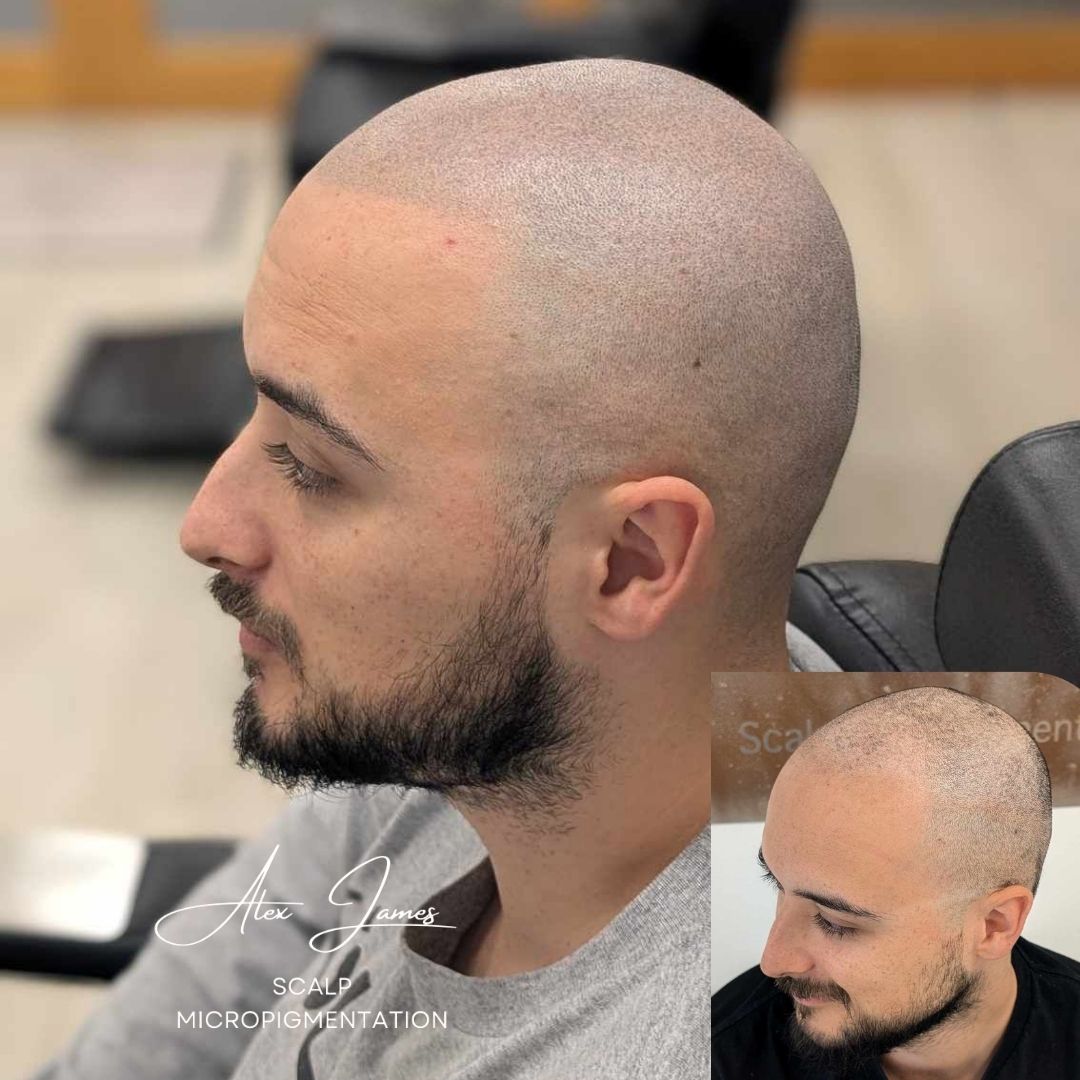
This natural result is one of the reasons scalp micropigmentation has become such a trusted cosmetic treatment. It allows people to restore the look of their hair without undergoing surgery or relying on unpredictable biological treatments.

Understanding realism also leads naturally to another important question: what does the full scalp micropigmentation process involve, and how many sessions are required to achieve the final result?

The Scalp Micropigmentation Process: Consultation, Sessions, Healing and Timeline

Understanding what scalp micropigmentation is also means understanding how the full process unfolds from the first consultation through to the final result. While the visual change can be significant, scalp micropigmentation itself is not completed in a single appointment. Instead, it is built gradually through a carefully structured treatment plan designed to ensure realism, consistency, and long-term stability.

The process always begins with a consultation. This stage is essential because scalp micropigmentation is not a one-size-fits-all treatment. Every individual has a different hair loss pattern, skin type, and goal. Some people want to recreate the appearance of a full shaved hairstyle, while others want to increase density within thinning areas without changing their existing hair length.

During consultation, the practitioner assesses the scalp, discusses expectations, and explains how scalp micropigmentation can achieve the desired outcome. Hairline design is often discussed at this stage, particularly for clients recreating a frontal hairline. This is one of the most important elements of the entire treatment, as the hairline plays a major role in overall realism.

Once treatment begins, scalp micropigmentation is completed over multiple sessions rather than all at once. This layered approach allows the pigment to settle naturally and ensures the result develops progressively. Attempting to create the full density in a single session could lead to an unnatural appearance, so building gradually allows for careful refinement.

The first session focuses on establishing the foundation. This includes placing the initial impressions that will form the structure of the final result. At this stage, the pigment is applied conservatively, creating a subtle base rather than maximum density.

After the first session, the scalp enters a healing phase. During this time, the impressions soften slightly as the skin recovers. This is completely normal and expected. The appearance immediately after treatment does not represent the final healed result.

The second session builds upon the foundation created in the first session. Additional impressions are added to increase density and refine the appearance. Because the practitioner can see how the scalp responded to the initial treatment, this stage allows adjustments to ensure the result remains natural.

A third session is often used to complete the treatment. This final stage focuses on perfecting the appearance, ensuring consistency across all treated areas, and achieving the intended level of density. By the end of this session, the full visual effect of scalp micropigmentation becomes clear.

The time between sessions allows the scalp to heal fully and the pigment to settle properly. This spacing is important because it ensures the final result remains balanced and stable.

Healing after each session is typically straightforward. The scalp may appear slightly darker immediately after treatment, but this softens naturally. Over time, the pigment settles into its intended tone and appearance.

Following proper aftercare is essential during this period. Aftercare helps ensure the pigment heals evenly and maintains its natural look. Detailed aftercare instructions are provided as part of the treatment process, and following them helps achieve the best possible outcome.

Once the full treatment is complete, the results become long-lasting. Unlike temporary cosmetic solutions, scalp micropigmentation does not wash off or disappear quickly. Instead, it provides a stable visual improvement that remains consistent over time.

Because SMP works at the visual level rather than affecting hair growth itself, its timeline is predictable. The appearance improves progressively as sessions are completed, rather than relying on uncertain biological changes.

Many people find this predictability reassuring. Rather than waiting months to see whether a treatment works, scalp micropigmentation produces visible improvements in a controlled and structured way.

The gradual process also allows individuals to adjust comfortably to their changing appearance. Because the result develops over several sessions, the transformation feels natural rather than sudden.

Once healed, scalp micropigmentation requires very little day-to-day maintenance compared to other hair loss treatments. However, understanding long-term care and how SMP behaves over time is an important part of understanding the treatment fully.

This leads to one of the most frequently asked questions people have: how long scalp micropigmentation lasts, and what kind of maintenance may be required in the future.

How Long Does Scalp Micropigmentation Last? Longevity, Fading and Long-Term Maintenance

A natural next question after understanding what scalp micropigmentation is and how it works is how long the results last. Because SMP involves placing pigment into the skin, many people assume it must either be completely permanent or fade away quickly. In reality, scalp micropigmentation sits somewhere in between. It is designed to be long-lasting, but not permanently fixed in a way that cannot evolve naturally over time.

Once fully healed, scalp micropigmentation typically maintains its appearance for several years. The impressions remain stable and continue to create the illusion of hair follicles, allowing the scalp to retain its restored, balanced look. This longevity is one of the reasons SMP has become such a popular option, as it does not require constant upkeep to remain effective.

However, it is important to understand that scalp micropigmentation does gradually soften over time. This is a normal and expected characteristic of cosmetic pigment. Factors such as skin type, sun exposure, lifestyle, and natural skin renewal all influence how the pigment ages. Rather than disappearing suddenly, SMP fades slowly and evenly, allowing the appearance to remain natural throughout its lifespan.

This gradual softening is actually beneficial. It allows the treatment to age with you. Hair loss patterns can continue to change over time, and having pigment that can be refreshed or adjusted ensures the result continues to look appropriate and realistic.

Many people choose to have a maintenance or refresh session at some point in the future. This is not because the treatment has failed, but because refreshing the impressions can restore their original crispness and definition. These maintenance sessions are typically far shorter and simpler than the original treatment.

It is also worth noting that maintenance timing varies from person to person. Some individuals may choose a refresh sooner, while others remain satisfied with their appearance for many years before considering it. There is no fixed requirement, and maintenance is based entirely on personal preference and visual goals.

Daily maintenance is minimal. Because scalp micropigmentation does not involve actual hair, it does not require specialised styling or products to maintain its appearance. This simplicity is part of its appeal. Once healed, it becomes part of your natural look without requiring ongoing effort.

Protecting the scalp from excessive sun exposure can help preserve the pigment for longer, as ultraviolet light contributes to natural fading. General scalp care and following professional advice also support long-term results.

Understanding long-term care is an important part of deciding whether scalp micropigmentation is right for you. While the treatment offers lasting results, maintaining optimal appearance over time is part of the natural lifecycle of cosmetic pigment.

For a complete explanation of how SMP ages, when refresh sessions may be needed, and how to maintain the best possible long-term outcome, you can read the full guide here:
scalp micropigmentation maintenance

This deeper understanding helps set realistic expectations and ensures you can enjoy the full benefits of scalp micropigmentation with confidence.

Another important factor people consider when researching scalp micropigmentation is cost. Because SMP is a specialised treatment, pricing can vary depending on individual circumstances, and understanding what influences this cost helps provide clarity.

SMP treatment at Alex James Clinic Rossendale

SMP Cost UK: How Much Scalp Micropigmentation Costs and What Influences Pricing

As awareness of scalp micropigmentation has grown across the UK, questions around cost have become increasingly common. Understanding SMP cost is an important part of deciding whether the treatment is right for you, but it’s equally important to understand why pricing varies and what those differences represent.

Scalp micropigmentation is a bespoke cosmetic procedure. Unlike off-the-shelf treatments, it is tailored specifically to each individual’s hair loss pattern, scalp characteristics, and goals. Because of this, the cost is usually based on the size of the area being treated rather than a single fixed price.

For example, someone looking to treat a small thinning crown will typically require less work than someone recreating an entire hairline and full scalp density. The amount of time involved, the number of sessions required, and the level of detail all influence the overall cost.

Hair loss stage also plays a role. Early thinning may require density enhancement in targeted areas, whereas advanced hair loss may involve building a complete hairline and restoring the appearance of follicles across the scalp. Each situation requires a different level of planning and execution.

Another important factor is practitioner experience. Scalp micropigmentation is a precision-based treatment performed in a highly visible area, and achieving natural-looking results requires skill, judgement, and restraint. The practitioner must consider hairline design, pigment tone, scalp condition, and how the result will age over time.

Choosing a clinic based purely on price can sometimes lead to disappointing outcomes. Poorly performed SMP may appear unnatural or require correction, which can ultimately cost more in the long term. For this reason, many people view scalp micropigmentation as an investment in appearance rather than simply a short-term cosmetic expense.

It’s also important to understand that scalp micropigmentation is not a recurring monthly cost like some other hair loss treatments. Once completed, the results remain stable for years, with only occasional refresh sessions if desired. This long lifespan contributes to its overall value compared to ongoing treatments that require continuous financial commitment.

Transparency is an important part of the consultation process. A professional clinic will explain the expected cost clearly and outline what is included. This ensures you understand exactly what to expect and can make an informed decision.

The consultation itself is also an opportunity to assess whether scalp micropigmentation aligns with your goals. Seeing how the treatment is planned and understanding the expected outcome helps build confidence in the process.

Because pricing varies depending on individual needs, the most accurate way to understand SMP cost is through personalised assessment. However, having a general understanding of pricing ranges and what influences them can be helpful when researching options.

For a detailed breakdown of scalp micropigmentation cost in the UK, including typical pricing ranges, what affects the final price, and how quotes are calculated, you can read the full guide here:
cost of scalp micropigmentation

Understanding cost helps complete the overall picture of scalp micropigmentation, but it is only one part of the decision. Equally important is choosing a clinic and practitioner capable of delivering natural, long-lasting results safely and professionally.

Choosing the Right Scalp Micropigmentation Clinic: What to Look for and Why Experience Matters

Once you understand what scalp micropigmentation is and how it works, one of the most important decisions you will make is choosing where to have the treatment performed. Because SMP is a highly visible and precision-based cosmetic procedure, the experience and judgement of the practitioner play a significant role in the final result.

Unlike treatments that rely on biological response, scalp micropigmentation produces results based entirely on how accurately and appropriately the pigment is placed. This means the outcome is directly influenced by the skill of the person performing it. A well-performed treatment can look completely natural and remain consistent for years, while a poorly performed treatment can appear artificial or require correction.

One of the first things to look for is evidence of real results. Professional clinics should be able to show clear examples of their work, including healed outcomes rather than just immediately after treatment. Healed results provide the most accurate representation of how scalp micropigmentation will actually look over time.

Hairline design is another key indicator of practitioner experience. Natural hairlines require restraint and careful planning. They should suit your age, facial structure, and overall appearance rather than follow a fixed template. Clinics that take time to design a personalised hairline demonstrate a more considered and professional approach.

Consultation quality also reflects professionalism. A proper consultation should involve assessing your scalp, discussing realistic expectations, and explaining how scalp micropigmentation can help your specific situation. You should never feel pressured into treatment, and the process should be explained clearly.

Location is often an important practical factor. Many people search for SMP clinics near their area so they can attend consultations and sessions comfortably. Choosing a clinic within reasonable travelling distance makes the treatment process easier and allows ongoing support if needed.

For individuals in the North West, access to experienced scalp micropigmentation specialists within reach of Manchester and Lancashire provides a convenient option without needing to travel long distances. This accessibility has contributed to the growing popularity of scalp micropigmentation across the region.

Professional environment is another important consideration. Scalp micropigmentation should always be performed in a clean, clinical setting designed for cosmetic procedures. This ensures both safety and professionalism throughout the treatment process.

Communication also plays a major role in overall experience. Being able to ask questions, understand the process, and feel comfortable with the practitioner helps build trust and confidence.

It is also worth remembering that scalp micropigmentation is a long-term cosmetic treatment. Choosing a clinic based solely on price without considering experience can increase the risk of unsatisfactory results. Taking time to research and select a reputable clinic helps ensure the best possible outcome.

Because scalp micropigmentation is designed to improve appearance in a natural and subtle way, the goal should never be to create something that looks obvious. Instead, the treatment should blend seamlessly with your overall look, allowing hair loss to become far less noticeable.

When performed correctly, scalp micropigmentation can provide a reliable and long-lasting improvement in how hair loss appears. Many people find that after treatment, they no longer focus on thinning areas or feel self-conscious about their hair.

This shift in perception is one of the reasons scalp micropigmentation has become such a widely trusted cosmetic solution.

Understanding what scalp micropigmentation is, how it works, how long it lasts, and what influences results helps provide a complete picture of the treatment. For many people, this knowledge brings clarity and confidence when deciding whether SMP is the right option for them.

SCALP MICROPIGMENTATION FAQs

What is scalp micropigmentation used for?

Scalp micropigmentation is used to improve the appearance of hair loss by creating the realistic look of hair follicles. It can recreate a shaved hairstyle, increase the appearance of density in thinning areas, and camouflage scars.

No, scalp micropigmentation does not regrow hair. It improves the appearance of the scalp by creating the illusion of hair follicles, making hair loss far less noticeable.

Scalp micropigmentation typically lasts for several years. The pigment softens gradually over time, and maintenance sessions can refresh the appearance if desired.

When performed correctly, scalp micropigmentation can look extremely natural. The impressions are designed to replicate real hair follicles, allowing the result to blend seamlessly with your appearance.

Scalp micropigmentation is long-lasting but not completely permanent. It fades gradually over time, allowing it to be refreshed or adjusted if needed.

Scalp micropigmentation is considered a safe cosmetic procedure when performed by a trained and experienced practitioner in a professional environment.

Yes. Scalp micropigmentation is highly effective for thinning hair, as it reduces scalp visibility and creates the appearance of greater density.

Welcome to Alex James SMP

Check out our Blog Page for more useful and informative articles.