
The window that determines your long-term results
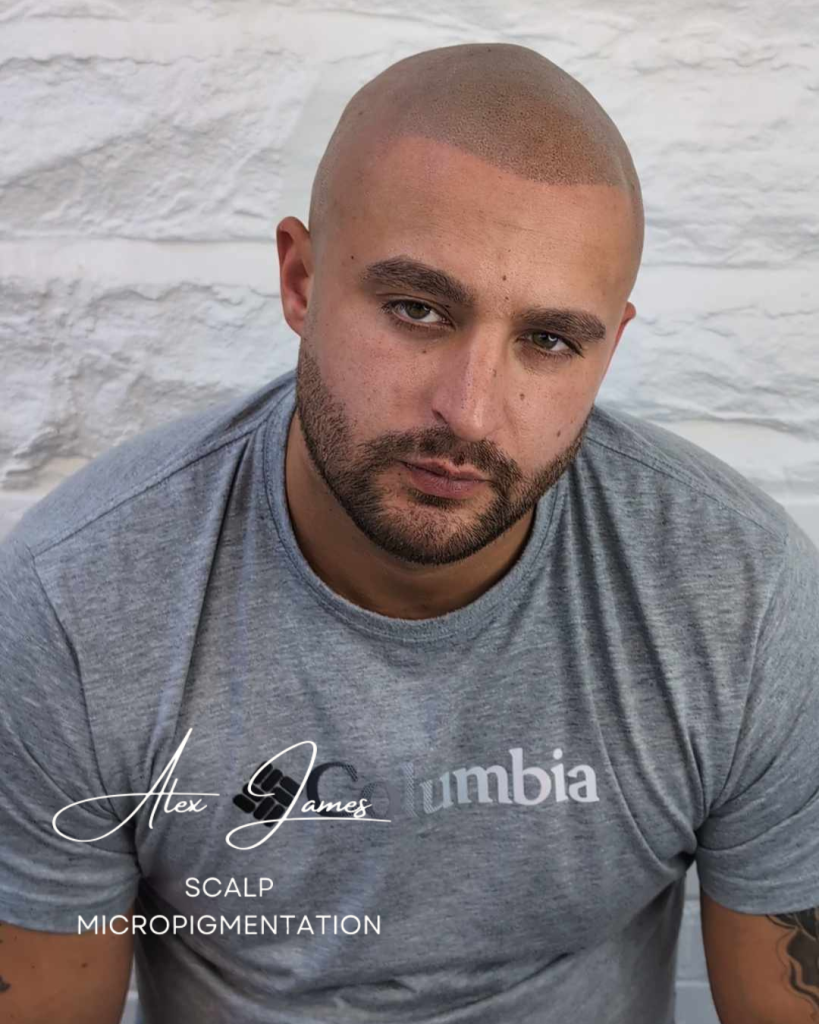
The immediate post-treatment period determines your SMP's long-term success. During the first 10 days your scalp is healing and the pigment is settling into its permanent position. This window matters more than anything that comes after.
I made the mistake of light exercise on day 2 of my first session. The slight sweating caused some pigment loss in my crown area, requiring additional work in session 2. This is why I'm now strict with clients about the first 3 days.
What I tell clients: treat these first 3 days like you're recovering from a medical procedure. Your social life can wait. Your SMP results are long-term.
The daily habits that keep results looking sharp for years
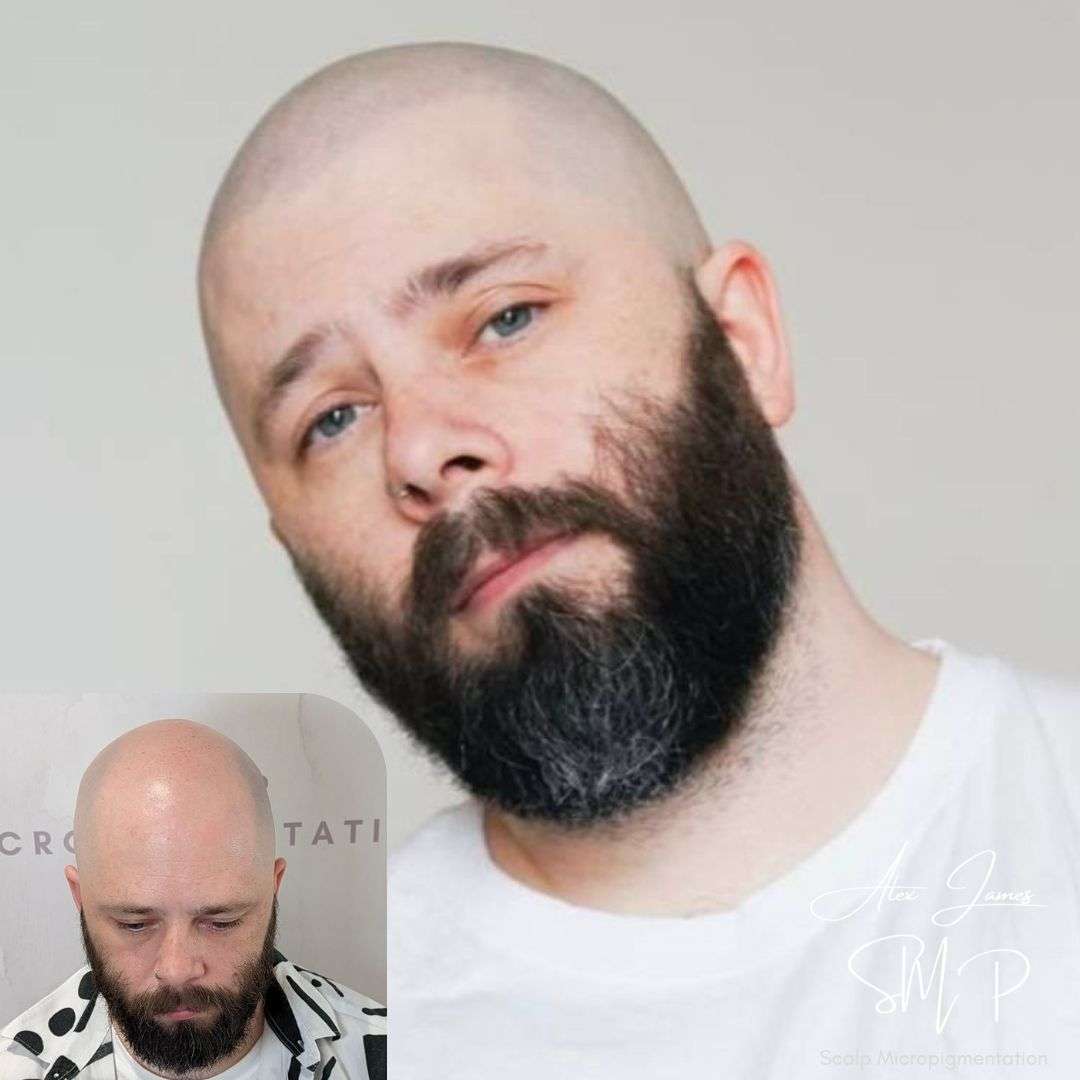
After completing your final session, long-term maintenance is about preservation and protection. The goal is extending the time between touch-ups while keeping results looking natural.
Lukewarm water to remove overnight oils — no shampoo needed every morning.
Non-comedogenic, lightweight. Palmer's Cocoa Butter works well for most skin types.
Applied to all exposed scalp areas before going outside — 365 days a year, not just summer.
Sulfate-free shampoo, gentle circular massage with fingertips (never nails), thorough rinse until water runs clear.
Never rub. Pat with a clean towel and allow to air dry before applying anything.
Thin layer, focus on any areas prone to dryness. Allow 10 minutes absorption before bed.
UV radiation is the primary cause of premature SMP fading, full stop. The clients I see with the best results after 5+ years are the ones who treated sun protection like brushing their teeth — automatic, daily, non-negotiable.
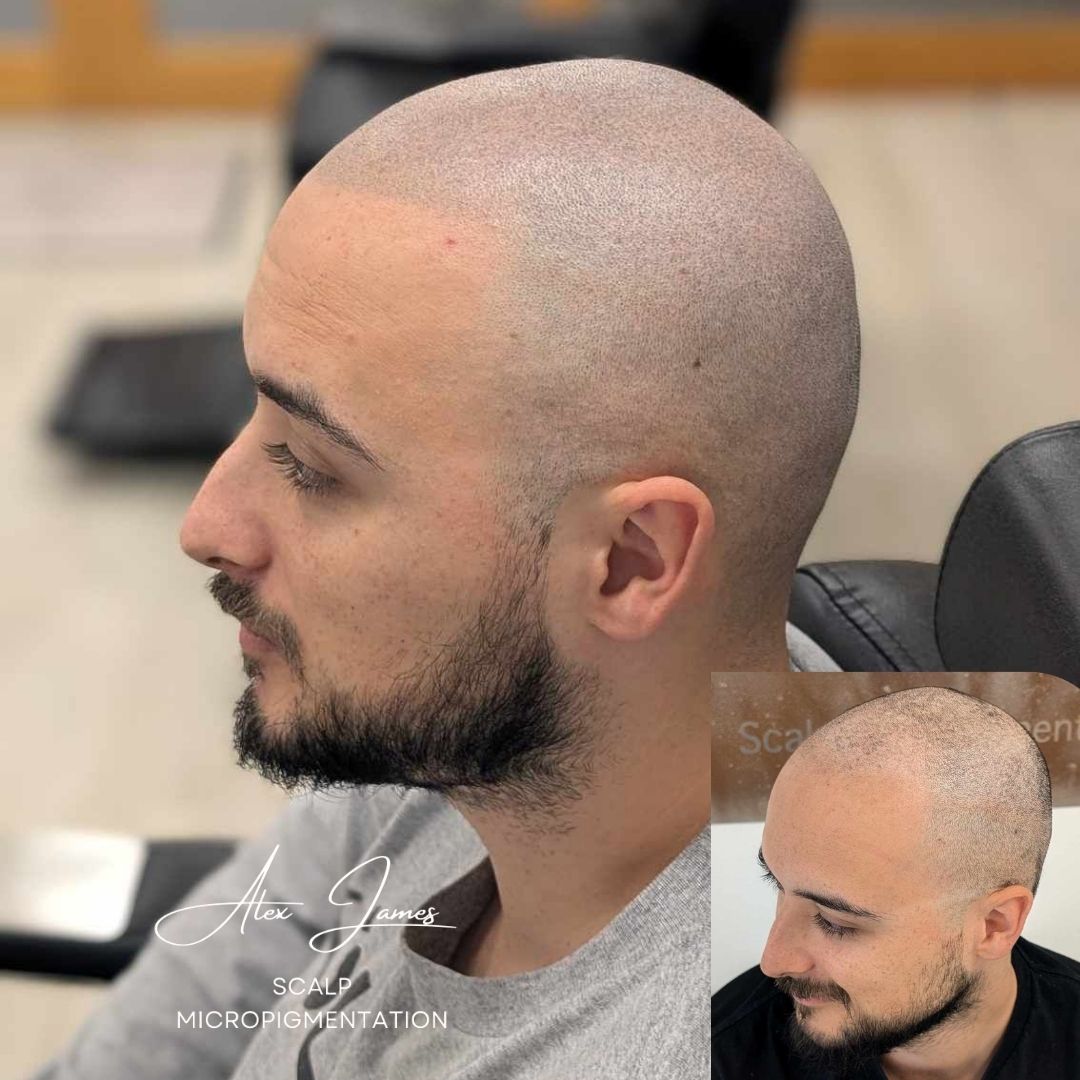
Most clients shave every 2–3 days to maintain the optimal look. The length that works best with SMP is 0.5–1mm — long enough to show texture, short enough to let the pigment work.
Tested across hundreds of clients — the definitive list
Cleansing
Moisturising
Sun protection
Shampoos
Skincare / treatments
Understanding when to seek help versus handling things yourself can save you from costly mistakes.
Contact your practitioner immediately if you notice:
Schedule a professional assessment for:
Not sure if your SMP needs attention? Send Alex a photo for an honest assessment.
Send a PhotoSolutions to common issues — and how to spend less while getting better results
Usually caused by inconsistent sun protection or areas healing at different rates.
Increase protection on faster-fading areas, document with photos from consistent angles, and bring these to your next professional assessment rather than attempting to correct it yourself.
Insufficient moisturising, harsh products, or seasonal dry air from central heating.
Increase moisturiser frequency, switch to gentler products, use a bedroom humidifier in winter. If it persists after 2–3 weeks of adjustments, consult your practitioner.
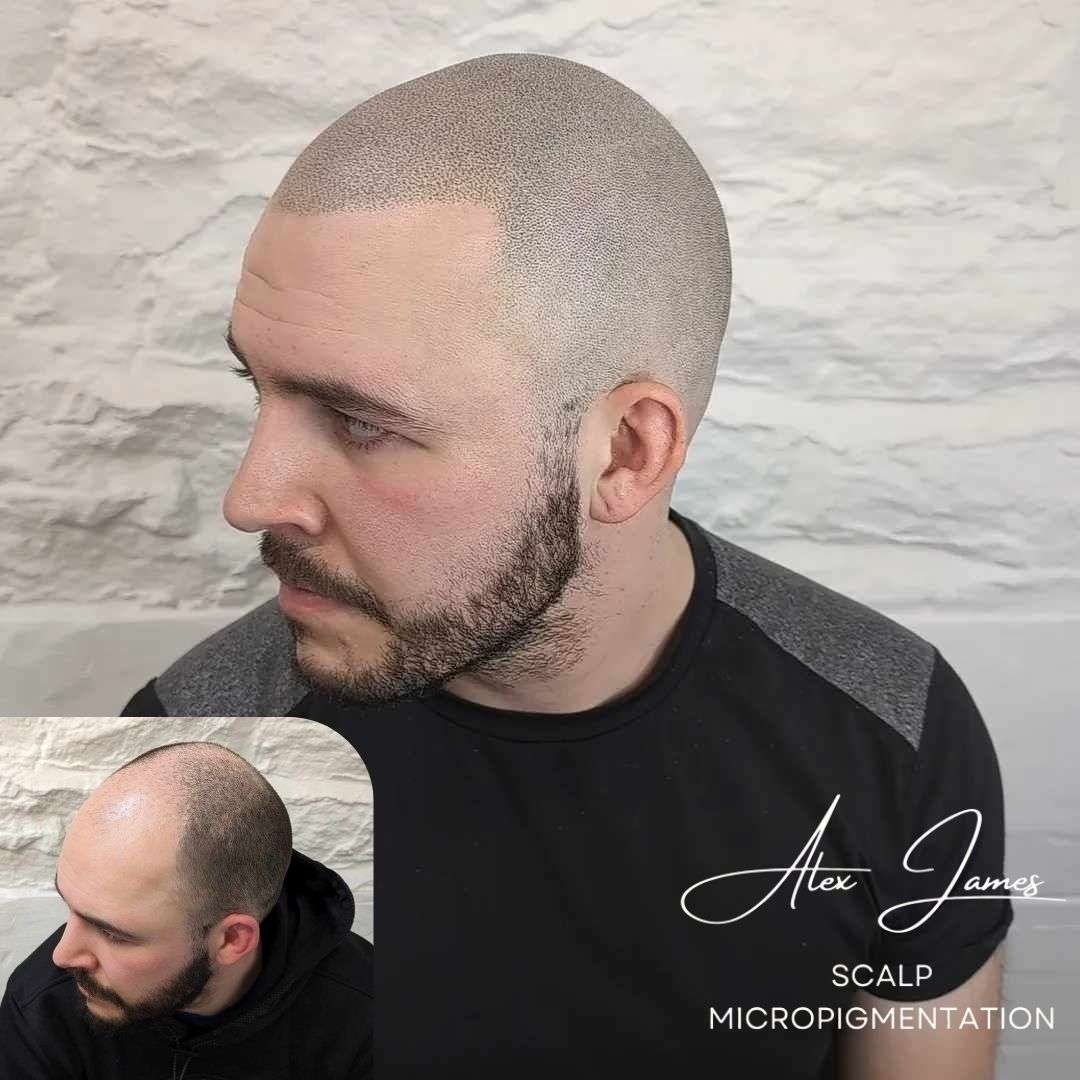
Often just the normal healing process — SMP changes significantly in the first 8 weeks.
Wait a minimum of 8 weeks before assessing final colour. View in multiple lighting conditions and compare against your baseline photos rather than memory.
Natural hair growth or loss changes since treatment, or changes in styling habits.
Adjust shaving frequency to find the optimal blend. If hair loss has progressed significantly since your original treatment, a professional consultation to discuss integration touch-ups is worth scheduling.
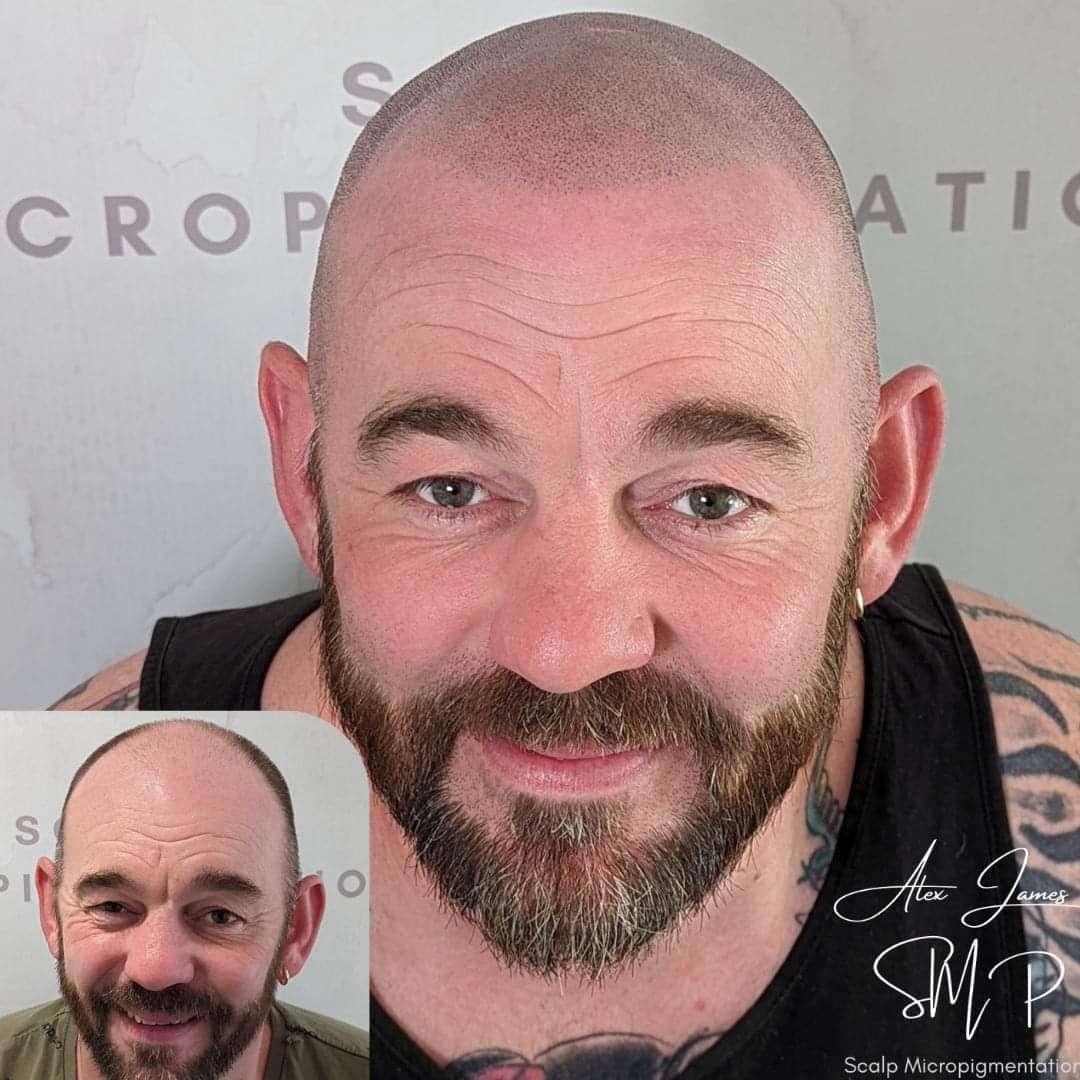
Proper SMP maintenance genuinely doesn't have to be expensive. The key is knowing where to invest and where generic alternatives work just as well.
Where to invest: sun protection (never compromise here), a quality electric shaver, and a sulfate-free shampoo. Everything else can be budget-friendly.
Where generics work fine: basic moisturiser (Aveeno and Palmer's are both supermarket-priced and genuinely effective), cotton pillowcases, a standard foil razor for touch-up shaving.
The most cost-effective thing you can do is maintain a relationship with a quality practitioner — not for frequent work, but so that when you do need something done, you trust the person doing it and they already know your SMP's history.