Alex James SMP

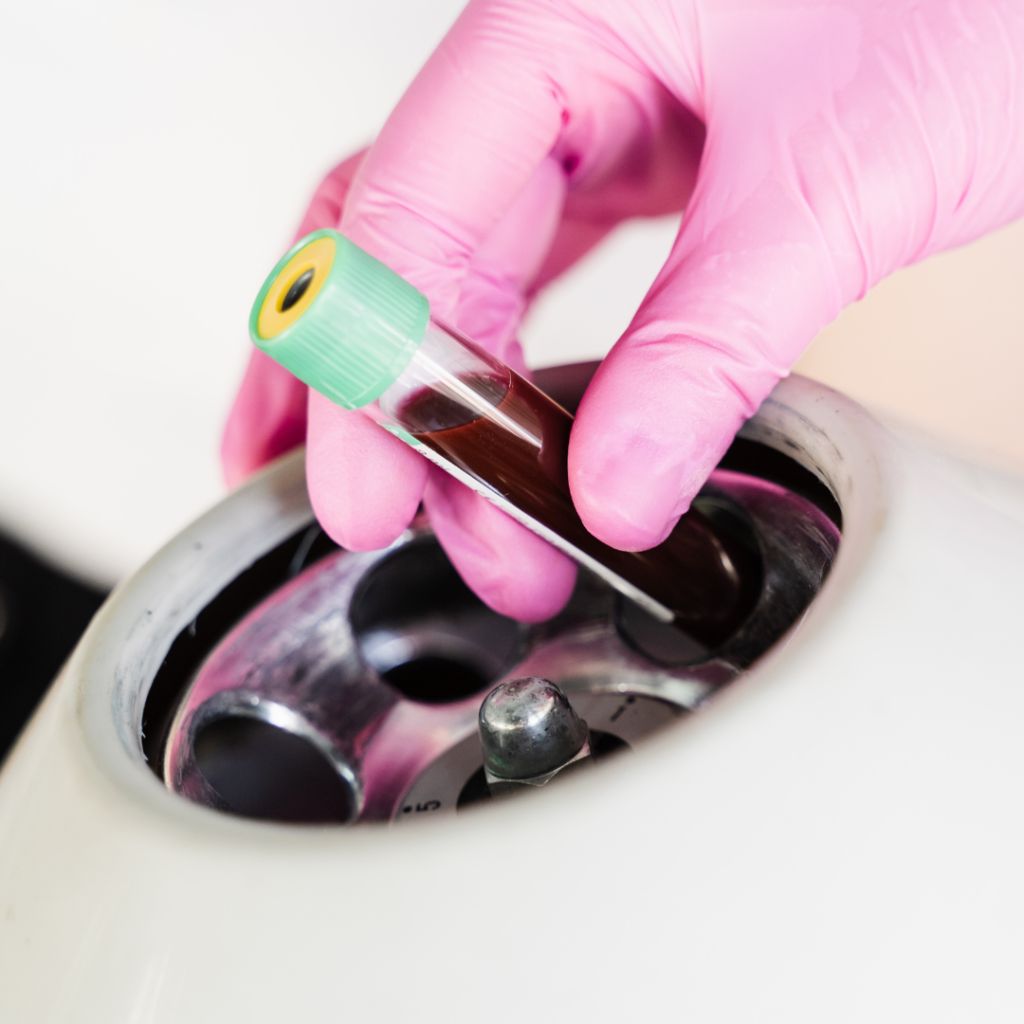
Advanced PRP hair treatment equipment Alex James Manchester clinic specialist tools

PRP Hair Treatment: A Natural Approach to Hair Regrowth and Thinning Hair

Hair thinning and hair loss can affect confidence in ways that are often underestimated. Whether it appears gradually over time or becomes noticeable more suddenly, changes in hair density can feel frustrating, emotional and difficult to manage. For those looking for a non-surgical, biologically driven option, PRP hair treatment has become an increasingly popular choice.

PRP hair treatment is often discussed as a way to support natural hair regrowth, improve hair quality and slow further thinning — but understanding what PRP actually is, how it works and who it’s suitable for is essential before considering treatment.

This article is designed to explain PRP for hair loss clearly and honestly, without exaggerated claims or technical jargon, so you can make an informed decision about whether it’s the right option for you.

What Is PRP Hair Treatment?

PRP stands for platelet rich plasma. A PRP hair treatment uses a concentrated component of your own blood, rich in platelets and growth factors, to support the health and function of hair follicles.

Platelets play a key role in healing and regeneration throughout the body. In hair treatments, platelet rich plasma is used to encourage improved blood supply, cellular activity and follicle stimulation in areas affected by thinning or early hair loss.

Because PRP is derived from your own blood, it is considered a natural treatment approach rather than a synthetic or pharmaceutical solution.

Why PRP for Hair Loss Has Gained So Much Attention

Interest in PRP for hair loss has grown as more people look for treatments that work with the body rather than against it. Unlike topical products that sit on the surface of the scalp, PRP works at a deeper level, targeting the biological environment around the hair follicle.

PRP has also gained popularity because it is non-surgical and does not involve implants, incisions or lengthy recovery periods. This makes it appealing to individuals who want to address thinning hair without committing to more invasive procedures.

As awareness of PRP for hair regrowth has increased, so too has the importance of understanding realistic outcomes rather than relying on headline promises.

How Platelet Rich Plasma Supports Hair Regrowth

Hair follicles rely on a healthy supply of oxygen, nutrients and cellular signals to function effectively. Over time, factors such as genetics, hormonal changes, stress and reduced circulation can weaken follicles, leading to thinner hair and slower regrowth.

Platelet rich plasma contains growth factors that help support tissue repair and cellular activity. When introduced into targeted areas of the scalp, PRP can help create a more favourable environment for hair follicles, supporting their ability to produce stronger, healthier hair.

It’s important to understand that PRP does not create new follicles. Instead, PRP hair treatment works by supporting existing follicles that may be underperforming or becoming dormant.

Table of Contents

PRP for Thinning Hair vs Advanced Hair Loss

PRP for thinning hair tends to be most effective when follicles are still present but weakened. This makes PRP particularly suitable for individuals in the early to moderate stages of hair thinning rather than complete baldness.

When hair loss has progressed to the point where follicles are no longer active, PRP is unlikely to produce significant regrowth. This is why a thorough consultation is essential — to assess scalp condition, hair density and whether PRP is a suitable option.

Understanding this distinction helps set realistic expectations and ensures PRP hair treatment is used appropriately.

Why PRP Is Not a ‘Quick Fix’

One of the most important things to understand about PRP hair treatment is that results develop gradually. Hair growth cycles take time, and PRP works by supporting natural biological processes rather than forcing immediate change.

This means PRP for hair regrowth should be viewed as a progressive treatment rather than an instant solution. Improvements in hair quality, reduced shedding and increased density typically occur over months rather than weeks.

Clinics that present PRP as an overnight transformation often overlook the biology of hair growth — something that informed clients should be cautious of.

Who Typically Considers PRP Hair Treatment

People exploring PRP hair treatment often fall into several groups:

Some notice early thinning and want to slow progression before hair loss becomes more noticeable. Others may be experiencing diffuse thinning rather than defined bald patches and want to improve overall density and hair quality.

PRP is also frequently explored by individuals who are not suitable for, or not ready to consider, surgical hair restoration. In these cases, PRP can play a supportive role in maintaining existing hair.

PRP for hair loss in women has also become increasingly common, as women often experience thinning patterns that differ from men and may benefit from a treatment that supports overall scalp health rather than targeted implantation.

The Importance of a Proper PRP Consultation

Not everyone is a suitable candidate for PRP hair treatment, and a responsible clinic will always begin with a consultation. This allows the practitioner to assess hair loss patterns, scalp health and underlying factors that may influence results.

A consultation is also an opportunity to discuss goals honestly. PRP can improve hair quality and support regrowth in suitable cases, but it does not replicate the effect of hair transplants or guarantee full restoration.

Clear communication at this stage ensures PRP is approached as a supportive treatment rather than a cure-all.

A Natural, Supportive Option — When Used Correctly

PRP hair treatment continues to grow in popularity because it aligns with a broader shift toward treatments that prioritise natural processes and long-term scalp health.

When used appropriately and with realistic expectations, PRP can be a valuable option for those experiencing thinning hair or early hair loss. Understanding how PRP works, who it’s for and what it can realistically achieve is the first step in deciding whether it’s right for you.

How PRP Hair Treatment Works

Understanding how PRP hair treatment works can help remove much of the uncertainty surrounding the procedure. While the science behind PRP is well established, the treatment itself is straightforward and designed to support the body’s natural processes rather than override them.

At its core, PRP works by using components already present within your own body to encourage healthier hair growth. This is why PRP is often described as a regenerative or biologically driven treatment rather than a cosmetic quick fix.

The Role of Platelet Rich Plasma in Hair Health

Platelets are small cells within the blood that play a key role in healing and repair. When tissue is injured, platelets release growth factors that help stimulate cell regeneration, improve circulation and support tissue recovery.

In platelet plasma for hair loss, these growth factors are concentrated and introduced into areas of the scalp affected by thinning or early hair loss. The goal is to improve the environment around the hair follicle, helping it function more effectively.

Rather than forcing hair to grow, PRP supports follicles that may be weakened or underperforming, encouraging stronger and healthier growth over time.

Why PRP Is Used for Hair Regrowth

Hair growth relies on a healthy balance of blood supply, oxygen and cellular signalling. When this balance is disrupted, hair follicles can enter a weakened state, leading to thinner hair, slower growth or increased shedding.

PRP for hair regrowth works by delivering growth factors directly to the scalp, where they can support improved blood flow and cellular activity. This may help extend the active growth phase of the hair cycle and improve overall hair quality.

Because PRP works at a biological level, results develop gradually and tend to look natural rather than sudden or artificial.

Why PRP Is Used for Hair Regrowth

Hair growth relies on a healthy balance of blood supply, oxygen and cellular signalling. When this balance is disrupted, hair follicles can enter a weakened state, leading to thinner hair, slower growth or increased shedding.

PRP for hair regrowth works by delivering growth factors directly to the scalp, where they can support improved blood flow and cellular activity. This may help extend the active growth phase of the hair cycle and improve overall hair quality.

Because PRP works at a biological level, results develop gradually and tend to look natural rather than sudden or artificial.

For further information, or to book your consultation for PRP, click the button below.

PRP for Thinning Hair: Supporting Follicles, Not Replacing Them

It’s important to understand that PRP for thinning hair does not create new hair follicles. Instead, it works by supporting follicles that are still present but may be producing weaker or finer hair.


This makes PRP particularly suitable for early to moderate thinning, where hair density is reducing but follicles are still active. In these cases, PRP can help improve hair thickness, quality and overall appearance.


When follicles are no longer present, PRP is unlikely to produce meaningful regrowth, which is why assessment and honest advice are essential.


Why PRP Is Considered a Natural Treatment Option

Because PRP uses your own blood, it is often viewed as a natural approach to hair loss. There are no synthetic additives or foreign substances introduced into the body, which appeals to individuals seeking treatments that align with natural biological processes.


This does not mean PRP is suitable for everyone, but it does mean the risk of allergic reaction is minimal. The treatment focuses on encouraging the body to do what it already knows how to do — regenerate and repair.


How PRP Treatments Are Typically Structured

PRP hair treatment is usually carried out as a course rather than a one-off session. This allows growth factors to continue supporting follicle function over time and aligns with the natural hair growth cycle.

Spacing between sessions allows the scalp to respond gradually, reducing stress on follicles and supporting sustainable results. Your practitioner will recommend a treatment plan based on individual hair loss patterns and goals.

This structured approach is key to achieving meaningful outcomes with PRP.


Why Results Take Time

Hair grows slowly, and PRP respects that process. It’s common for clients to notice subtle changes first, such as reduced shedding or improved hair texture, before visible increases in density occur.

Understanding this timeline helps set realistic expectations and avoids disappointment. PRP is not designed to provide instant transformation, but rather to support gradual, long-term improvement.


The Importance of Proper Technique and Experience

While PRP itself relies on biological principles, the way it is prepared and administered matters. Proper handling, concentration and placement all influence how effectively PRP can support hair follicles.


This is why choosing an experienced clinic is important. Knowledge of scalp anatomy, hair loss patterns and correct technique helps ensure PRP is used safely and appropriately.


PRP as Part of a Wider Hair Care Approach

For some individuals, PRP hair treatment works best when combined with other supportive measures, such as lifestyle changes or tailored hair care advice. This holistic perspective recognises that hair health is influenced by multiple factors.

A responsible practitioner will discuss PRP within the context of overall scalp and hair health rather than presenting it as a standalone solution for every type of hair loss.


A Supportive Treatment, Not a Guaranteed Outcome

PRP offers a supportive option for hair regrowth and thinning hair when used correctly and for the right candidates. Understanding how it works helps ensure expectations are aligned with biological reality rather than marketing claims.

Who PRP Hair Treatment Is Suitable For

PRP hair treatment is not a one-size-fits-all solution, which is why understanding suitability is just as important as understanding how the treatment works. While PRP can be highly supportive for certain types of hair thinning and hair loss, it is most effective when used at the right stage and for the right reasons.

A thorough consultation is essential to determine whether PRP is likely to benefit you and to ensure expectations are realistic from the outset.

PRP for Early to Moderate Hair Thinning

PRP is most commonly used by individuals experiencing early to moderate hair thinning rather than advanced hair loss. This includes situations where hair density has reduced over time, partings appear wider, or hair feels finer and weaker than it once did.

In these cases, hair follicles are often still present but underperforming. PRP for thinning hair works by supporting these follicles, helping to improve hair quality, thickness and overall scalp health.

When used at this stage, PRP may help slow progression and support healthier regrowth over time.

PRP for Hair Loss in Women

Hair loss in women often presents differently to male pattern hair loss. Rather than receding hairlines or defined bald areas, women are more likely to experience diffuse thinning across the scalp or widening of the parting.

PRP for hair loss in women has become increasingly popular because it targets scalp health and follicle support without altering hairlines or relying on surgical intervention. This makes it a suitable option for women who want to improve density and hair quality while maintaining a natural appearance.

PRP can be particularly appealing for women experiencing hormonal changes, stress-related thinning or age-related hair density changes, provided follicles are still active.

PRP for Hair Regrowth After Shedding or Stress

Some individuals experience periods of increased shedding due to stress, illness or lifestyle changes. In these situations, PRP hair treatment may be considered as a supportive option once underlying factors have been addressed.

By improving blood supply and cellular signalling within the scalp, PRP for hair regrowth can help support the recovery phase of the hair cycle. It’s important to note that PRP works best when combined with realistic timelines and appropriate expectations.

prp for hair loss treatment Alex James Clinic Manchester

Who PRP May Not Be Suitable For

PRP is unlikely to be effective in areas where hair follicles are no longer present. Advanced hair loss with smooth, shiny scalp areas typically requires alternative approaches, and PRP would not be recommended in these cases.


Certain medical conditions, blood disorders or medications may also affect suitability. This is why a detailed consultation and medical history review are important before proceeding with treatment.


A responsible clinic will always advise against PRP if it is unlikely to provide meaningful benefit.


Why Assessment Matters More Than Hair Loss Labels

Hair loss is often categorised into specific types, but real-world presentations are rarely identical. Two people with similar thinning patterns may respond differently to PRP depending on scalp health, follicle activity and overall wellbeing.

Rather than relying solely on labels, PRP suitability should be assessed individually. This ensures treatment decisions are based on biological potential rather than assumptions.


PRP as an Option for Those Avoiding Surgery

PRP hair treatment is often explored by individuals who are not ready for surgical options or who prefer a non-surgical approach. Because PRP does not involve incisions or implants, it appeals to those seeking a lower-commitment option with minimal downtime.


While PRP cannot replace surgical hair restoration in advanced cases, it can play a supportive role in maintaining and improving existing hair where follicles remain active.


Managing Expectations Around PRP Results

One of the most important aspects of PRP suitability is expectation management. PRP is designed to support and enhance natural hair growth, not to create dramatic or immediate transformation.


Understanding that PRP works gradually helps ensure satisfaction with results. Improvements are often seen in hair texture, reduced shedding and overall density rather than sudden regrowth in completely bare areas.


Why Honest Guidance Is Essential

Not every clinic approaches PRP in the same way. Honest guidance means recommending PRP only when it is likely to offer benefit and being clear when it may not be the right choice.

This transparency helps protect clients from unnecessary treatment and ensures PRP is used appropriately and ethically.


A Personalised Approach to PRP Hair Treatment

PRP works best when it is tailored to the individual. Factors such as age, hair loss pattern, scalp condition and lifestyle all influence outcomes.


A personalised approach allows PRP to be used as part of a broader hair health strategy rather than a standalone solution.

What to Expect During a PRP Hair Treatment

For many people considering PRP for hair loss, the treatment process itself can feel unfamiliar. Knowing what to expect before, during and after a PRP hair treatment often helps clients feel more relaxed and confident about taking the next step.

PRP is carried out in a clinic setting and is designed to be a straightforward, controlled procedure, with your comfort and safety prioritised throughout.

Preparing for Your PRP Hair Treatment

Preparation for PRP hair treatment is usually minimal. Before your appointment, you may be advised to stay well hydrated and avoid certain medications or supplements that could affect platelet function. These details will be discussed during your consultation so you know exactly how to prepare.

On the day of treatment, your practitioner will talk through the process again, answer any final questions and ensure you feel comfortable before proceeding. This time is also used to reassess the scalp and confirm the treatment plan.

The PRP Process Explained Simply

PRP hair treatment begins with a small blood sample taken from your arm, similar to a routine blood test. This sample is then processed to separate and concentrate the platelet rich plasma.

Once prepared, the PRP is carefully introduced into targeted areas of the scalp where thinning or hair loss has been identified. The aim is to deliver growth factors directly to areas where hair follicles need additional support.

The process is carried out methodically and with attention to precision, ensuring treatment is tailored to your individual scalp and hair pattern.

Comfort During PRP Hair Treatment

Comfort is an important consideration for many clients. Sensation during PRP hair treatment can vary depending on individual sensitivity and the areas being treated. Most clients describe the feeling as manageable, with mild discomfort rather than pain.

Measures are taken to help ensure the experience is as comfortable as possible, and treatment is carried out at a pace that allows you to remain relaxed. Your practitioner will check in with you throughout the session.

How Long Does a PRP Hair Treatment Take?

A typical PRP hair treatment appointment usually lasts around 45 to 60 minutes. This includes preparation, processing of the platelet rich plasma and the treatment itself.

Because PRP does not involve surgery or significant recovery time, most clients are able to return to normal activities shortly afterwards.

Aftercare Following PRP Hair Treatment

Aftercare for PRP hair treatment is generally simple. You may be advised to avoid washing your hair for a short period and to refrain from certain activities that could irritate the scalp immediately after treatment.

Clear aftercare guidance will be provided to help support the best possible response and ensure the scalp settles comfortably following the procedure.

What You Might Notice After Treatment

In the hours or days following PRP hair treatment, it’s normal to experience mild scalp sensitivity or redness in treated areas. These effects are usually temporary and settle without intervention.

Some clients notice subtle changes early on, such as reduced shedding or improved scalp condition, while visible changes in hair density take longer to develop due to natural hair growth cycles.

PRP Treatment Courses and Follow-Up

PRP hair treatment is commonly recommended as a course rather than a single session. This approach allows growth factors to continue supporting follicle function over time and aligns with the natural rhythm of hair growth.

Your practitioner will advise on treatment frequency based on your individual needs and goals, ensuring the approach remains measured and appropriate.

Why the Experience Should Feel Calm and Controlled

A well-delivered PRP hair treatment should never feel rushed or overwhelming. Taking time to explain each step and ensuring client comfort is part of responsible practice.

Feeling informed and supported throughout the process contributes not only to comfort, but also to overall confidence in the treatment journey.

Understanding the Process Helps Build Confidence

Knowing what to expect removes much of the uncertainty surrounding PRP hair treatment. When clients understand the steps involved and the reasons behind them, they are better able to engage with the treatment and set realistic expectations for results.

PRP Hair Treatment Results, Timelines and Realistic Expectations

When considering PRP hair treatment, understanding what results may look like — and when they may appear — is essential. Hair growth is a slow, biological process, and PRP works by supporting that process rather than forcing immediate change. For this reason, patience and realistic expectations play a key role in overall satisfaction.

PRP is best viewed as a progressive treatment that supports hair health over time, rather than a quick or dramatic transformation.

When Do Results From PRP Hair Treatment Begin to Appear?

Most clients do not see immediate visible regrowth after a PRP hair treatment. This is completely normal and reflects how hair growth cycles work. Early changes are often subtle and may include reduced shedding, improved scalp condition or hair that feels stronger and healthier.

Visible improvements in hair density or thickness typically develop gradually over several months. This timeline allows hair follicles to respond to the treatment and produce stronger hair during new growth cycles.

Understanding this progression helps avoid unnecessary disappointment and reinforces why PRP should be approached with a long-term mindset.

What Kind of Results Can PRP for Hair Loss Provide?

PRP for hair loss is designed to support existing follicles rather than create new ones. As a result, outcomes tend to include:

  • Improved hair quality and texture

  • Reduced hair shedding

  • Increased thickness of existing hairs

  • Improved overall scalp health

For individuals with thinning hair, these changes can make a noticeable difference to overall appearance, even if hairlines or density patterns remain largely the same.

PRP does not replicate the results of surgical hair restoration, and clinics that suggest otherwise often create unrealistic expectations.

PRP for Hair Regrowth: Why Results Vary

No two individuals respond to PRP in exactly the same way. Factors such as age, genetics, hormonal balance, lifestyle and scalp condition all influence outcomes.

PRP for hair regrowth tends to be most effective when follicles are still active and when treatment is started earlier rather than later. This is why thorough assessment is so important — it helps determine whether PRP is likely to offer meaningful benefit.

Variation in results does not mean PRP is ineffective; it reflects the complexity of hair biology.

How Many PRP Sessions Are Usually Recommended?

PRP hair treatment is commonly recommended as a course rather than a single session. This allows ongoing support of the hair follicles and aligns with natural growth cycles.

The exact number of sessions varies depending on individual needs and goals. Your practitioner will advise on an appropriate treatment plan based on how your hair and scalp respond over time.

Spacing between sessions is deliberate, allowing the scalp to recover and respond gradually rather than being overstimulated.

Why Maintenance May Be Suggested

Hair loss is often a progressive process influenced by genetics and hormonal changes. For some individuals, maintenance PRP treatments may be suggested to help support long-term hair health.

Maintenance does not mean PRP has “worn off,” but rather that ongoing support may help maintain results achieved. This approach is discussed openly so clients can make informed decisions without pressure.

What PRP Cannot Do

Being clear about limitations is just as important as highlighting benefits. PRP hair treatment cannot restore hair in areas where follicles are no longer present, nor can it guarantee specific density or regrowth patterns.

Understanding what PRP cannot do helps protect clients from disappointment and ensures the treatment is used responsibly and ethically.

PRP Results in Women vs Men

PRP for hair loss in women often focuses on improving overall density and hair quality rather than altering hairlines. Women may notice improvements in volume, parting width and hair strength over time.

Men may experience similar benefits in areas of thinning, particularly when PRP is introduced early. In both cases, outcomes depend on follicle activity and individual response.

Why Honest Expectations Matter

Honest communication around results builds trust and supports long-term satisfaction. Clients who understand the gradual nature of PRP are more likely to appreciate improvements as they develop rather than expecting instant change.

This transparency is a hallmark of responsible PRP practice.

Evaluating Progress Over Time

Progress with PRP hair treatment is best assessed over several months rather than weeks. Comparing baseline photographs, tracking shedding patterns and noting changes in hair texture can help provide a clearer picture of response.

Your practitioner can guide you through this evaluation process during follow-up appointments.

PRP as a Supportive, Long-Term Option

PRP hair treatment works best when viewed as a supportive, long-term option rather than a cure. When used appropriately and with realistic expectations, it can play a valuable role in maintaining and improving hair health.

PRP Hair Treatment Safety, Side Effects and Aftercare

Safety is often one of the first concerns people have when considering PRP hair treatment. Understanding how PRP is sourced, how the procedure is carried out and what to expect afterwards can help provide reassurance and clarity.

Because PRP uses components from your own blood, it is generally considered a low-risk treatment when performed correctly and in a suitable clinical environment.

Why PRP Is Considered a Safe Hair Loss Treatment

PRP hair treatment relies on platelet rich plasma derived from your own blood, meaning no foreign substances are introduced into the body. This significantly reduces the risk of allergic reactions or rejection.

The process is controlled, targeted and carried out using sterile techniques. When administered by trained practitioners, PRP for hair loss has a strong safety profile and is widely used in both aesthetic and regenerative settings.

As with any procedure, proper assessment and adherence to professional standards are essential.

Possible Side Effects of PRP Hair Treatment

Most side effects associated with PRP hair treatment are mild and temporary. These may include slight redness, tenderness or sensitivity in treated areas of the scalp.

Some clients experience minor swelling or a feeling of tightness shortly after treatment. These effects typically settle within a short period and do not interfere with normal daily activities.

More significant side effects are uncommon, particularly when PRP is delivered by experienced practitioners following appropriate protocols.

What PRP Does Not Typically Cause

Because PRP uses your own plasma, it does not usually cause allergic reactions. It also does not involve incisions, implants or permanent alteration of the scalp.

PRP hair treatment does not cause sudden hair loss or shedding beyond what may naturally occur during hair growth cycles. Any changes in shedding patterns are typically temporary and part of the adjustment process.

Aftercare Following PRP Hair Treatment

Aftercare following PRP hair treatment is generally straightforward. Clients are usually advised to avoid washing the scalp for a short period and to refrain from activities that may irritate the treated area immediately after the session.

Clear aftercare guidance is provided to support scalp recovery and help maximise the effectiveness of the treatment. Following this advice helps ensure the scalp environment remains calm and receptive.

Returning to Normal Activities

One of the advantages of PRP hair treatment is minimal downtime. Most clients are able to return to normal daily activities shortly after their appointment.

Strenuous exercise, excessive heat or activities that cause sweating may be postponed briefly, depending on individual circumstances. These recommendations are made to protect the scalp and support optimal healing.

Long-Term Safety Considerations

PRP has been used in medical and aesthetic applications for many years, contributing to its strong safety profile. When used appropriately for hair loss and thinning hair, PRP is considered a supportive treatment rather than an aggressive intervention.

Ongoing assessment and honest communication ensure PRP continues to be used responsibly and effectively over time.

The Importance of Choosing an Experienced Clinic

While PRP itself relies on biological principles, the way it is prepared and administered plays a significant role in safety and outcomes. Proper handling of blood samples, sterile techniques and correct placement are essential.

Choosing a clinic with experience in PRP hair treatment helps ensure these standards are met and that the treatment is tailored appropriately to your scalp and hair loss pattern.

Why Aftercare Supports Better Results

Aftercare is not about restriction; it’s about supporting the scalp environment while growth factors begin their work. Simple measures help reduce irritation and allow the scalp to respond naturally.

Clients who follow aftercare advice tend to experience smoother recovery and feel more confident throughout the treatment process.

PRP as a Low-Intervention Option

For many individuals, PRP hair treatment offers reassurance because it works with the body’s own mechanisms rather than introducing synthetic substances. This makes it an appealing option for those seeking a more natural approach to managing hair thinning or loss.

Confidence Through Knowledge

Understanding safety, side effects and aftercare helps remove uncertainty and allows clients to approach PRP hair treatment with confidence rather than hesitation.

PRP for thinning hair Alex James Clinic in Rossendale

PRP Hair Treatment Compared to Other Hair Loss Options

When researching solutions for thinning hair or hair loss, it’s common to encounter a wide range of options — from topical products and supplements to surgical procedures.

 Understanding how PRP hair treatment fits within this landscape can help clarify whether it aligns with your goals, expectations and comfort level.

PRP is often chosen because it sits between cosmetic camouflage and surgical intervention, offering a supportive, non-surgical option for suitable candidates.

PRP Hair Treatment vs Topical Hair Loss Products

Topical hair loss products are often the first option people try. These typically work by increasing blood flow at the surface of the scalp or attempting to influence follicle activity indirectly.

PRP differs in that platelet rich plasma is delivered directly to targeted areas of the scalp, allowing growth factors to interact more closely with hair follicles. This targeted approach is one reason PRP is often explored when topical products have not provided the desired results.

While topical products may still play a role in some routines, PRP for hair loss offers a more direct method of follicle support.

PRP for Hair Regrowth vs Oral Supplements

Oral supplements aim to support hair health systemically, often focusing on vitamins and minerals linked to hair growth. These can be beneficial when deficiencies are present, but they rely on digestion and absorption before any potential effect on the scalp.

PRP for hair regrowth works locally rather than systemically. By concentrating growth factors directly where they’re needed, PRP targets the scalp environment rather than relying on whole-body pathways.

This distinction makes PRP appealing to individuals seeking a more focused approach.

PRP Hair Treatment vs Surgical Hair Restoration

Surgical hair restoration involves relocating hair follicles from one area of the scalp to another. While this can be effective for certain types of hair loss, it is a more invasive option with longer recovery and higher commitment.

PRP hair treatment does not replace surgical procedures in cases of advanced hair loss where follicles are no longer present. Instead, PRP is often considered earlier in the hair loss journey or as a supportive option for maintaining existing hair.

Some individuals also explore PRP alongside other treatments as part of a broader hair management plan.

PRP for Thinning Hair vs Cosmetic Camouflage

Cosmetic camouflage techniques focus on disguising thinning rather than addressing underlying follicle health. While these can improve appearance temporarily, they do not influence hair growth itself.

PRP for thinning hair works beneath the surface, aiming to support follicle function and improve hair quality over time. This makes PRP an option for those looking beyond surface-level solutions.

Why PRP Is Often Chosen as a First-Line Treatment

Because PRP is non-surgical and biologically driven, it is often explored before more invasive options. It allows individuals to assess how their hair responds to follicle support without committing to permanent alteration.

This makes PRP particularly appealing for those who want to take action early, preserve existing hair and make informed decisions about future options if needed.

Combining PRP With Other Approaches

In some cases, PRP hair treatment may be combined with other supportive measures, such as lifestyle changes, tailored hair care or medical guidance. This combined approach recognises that hair health is influenced by multiple factors.

A responsible clinic will discuss PRP as part of an overall strategy rather than presenting it as a standalone cure.

Choosing Based on Suitability, Not Trends

Hair loss treatments are often marketed heavily, which can make it difficult to separate trend from suitability. PRP’s popularity has grown because it aligns with natural regenerative principles, but that doesn’t mean it’s right for everyone.

Understanding how PRP compares to other options helps ensure treatment choices are based on informed decision-making rather than marketing claims.

PRP as Part of a Thoughtful Hair Care Journey

For many people, PRP hair treatment represents a measured, thoughtful approach to managing hair thinning or loss. It offers support without forcing irreversible change and allows time to evaluate progress.

Why Clinic Expertise Matters for PRP Hair Treatment

While PRP hair treatment is rooted in biological principles, the outcome is heavily influenced by how the treatment is delivered. Preparation, assessment and technique all play an important role in how effectively platelet rich plasma can support hair follicles.

This is why choosing an experienced clinic is just as important as choosing the treatment itself.

PRP Is Only as Effective as the Assessment Behind It

One of the most overlooked aspects of PRP for hair loss is assessment. A responsible clinic takes time to understand your hair loss pattern, scalp condition and medical background before recommending treatment.

Not all thinning hair responds in the same way to PRP, and honest guidance at this stage helps prevent unnecessary treatment. Clinics with experience in hair and scalp treatments are better equipped to recognise when PRP is appropriate — and when it isn’t.

This transparency builds trust and leads to better long-term satisfaction.

Technique and Consistency Make a Difference

PRP hair treatment is not simply about introducing plasma into the scalp. How the PRP is prepared, where it is placed and how consistently it is applied all influence results.

Experienced practitioners understand scalp anatomy, hair density patterns and how to tailor treatment to different areas. This level of precision helps ensure PRP is delivered where it can be most effective, rather than applied uniformly without consideration.

Consistency across sessions also matters. A structured, methodical approach supports gradual improvement rather than unpredictable outcomes.

The Importance of a Professional Clinic Environment

PRP hair treatment should always be carried out in a professional clinic setting. This ensures proper hygiene, safe handling of blood samples and adherence to appropriate standards.

A clinic environment also allows for accurate documentation, aftercare guidance and follow-up — all of which contribute to safety and accountability.

Clients often feel more at ease knowing their treatment is being carried out in a controlled, regulated space rather than an informal setting.

Why Honest Communication Improves Outcomes

Clear communication is a hallmark of good PRP practice. This includes explaining what PRP can and cannot do, outlining realistic timelines and being upfront about expected results.

Clinics that prioritise honest discussion help clients feel informed rather than persuaded. This approach leads to better engagement with the treatment process and more realistic evaluation of progress over time.

Ongoing Support Beyond the Treatment Session

PRP hair treatment does not end when the appointment is over. Follow-up guidance, progress evaluation and the opportunity to ask questions all contribute to a positive experience.

Clinics that offer ongoing support help clients feel confident throughout their hair restoration journey, rather than feeling left to interpret results alone.

Experience Matters More Than Trends

As PRP has grown in popularity, it has become widely offered. However, experience in hair and scalp treatments remains a key differentiator.

A clinic that understands hair loss holistically — including pattern progression, follicle health and realistic outcomes — is better positioned to use PRP appropriately and effectively.

A Thoughtful Approach to PRP Hair Treatment

PRP works best when it is approached thoughtfully rather than as a quick solution. This includes careful assessment, tailored treatment planning and realistic goal setting.

Choosing a clinic that values these principles helps ensure PRP is used responsibly and in your best interests.

Final Thoughts on PRP Hair Treatment

PRP hair treatment offers a natural, non-surgical option for individuals experiencing thinning hair or early hair loss. By using platelet rich plasma to support follicle health, PRP works with the body’s own processes rather than against them.

When used appropriately, PRP can help improve hair quality, reduce shedding and support gradual regrowth. It is not a cure, nor is it suitable for every type of hair loss — but for the right candidates, it can be a valuable part of a wider hair health strategy.

The key to success lies in understanding what PRP can realistically achieve, choosing experienced practitioners and approaching treatment with patience.

PRP Hair Treatment FAQs

What is PRP hair treatment?

PRP hair treatment uses platelet rich plasma taken from your own blood to support hair regrowth and improve hair quality. The plasma contains growth factors that help stimulate and support existing hair follicles.

PRP for hair loss works by introducing concentrated growth factors into areas of the scalp affected by thinning. These growth factors help improve blood supply and follicle activity, supporting healthier hair growth over time.

PRP for thinning hair is most effective when hair follicles are still present but weakened. It can help improve hair thickness, reduce shedding and support overall scalp health, particularly in early to moderate thinning.

PRP for hair regrowth can support natural regrowth by encouraging existing follicles to function more effectively. Results develop gradually and vary depending on individual hair loss patterns and scalp condition.

Yes, PRP for hair loss in women is commonly used to address diffuse thinning and reduced hair density. It can help improve overall volume and hair quality without altering the natural hairline.

PRP hair treatment is usually recommended as a course rather than a single session. The number of treatments varies depending on individual response and goals, which will be discussed during consultation.

Most clients find PRP hair injections manageable, with mild discomfort rather than pain. Sensation varies depending on individual sensitivity and the areas treated.

PRP is considered a low-risk treatment because it uses your own platelet rich plasma. When carried out in a professional clinic environment, PRP hair treatment has a strong safety profile.

Results from PRP hair treatment develop gradually over several months. Early changes may include reduced shedding or improved hair texture, with visible improvements in density appearing later.

Welcome to Alex James SMP

Check out our Blog Page for more useful and informative articles.